ARCHITECTURE
PORTFOLIO
harmandewan@gmail.com
I’m Harry, an architecture student at Bath with a vision for a more sustainable future in all aspects of life through considerate and humanist design.
I have worked on a multitude of projects and have made strides on sustainable and expressive techniques in each progressing work.
Individual Projects
THIRD YEAR FINAL
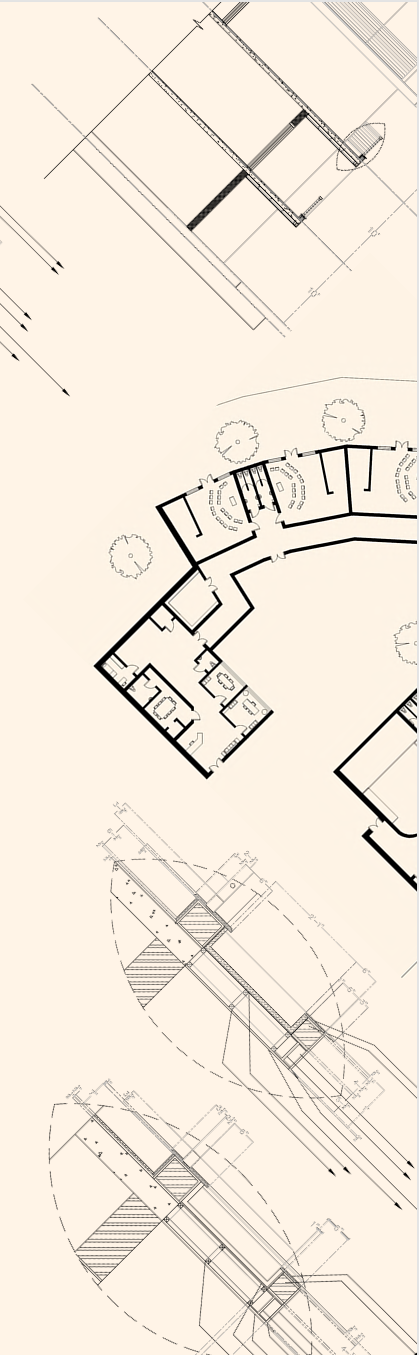
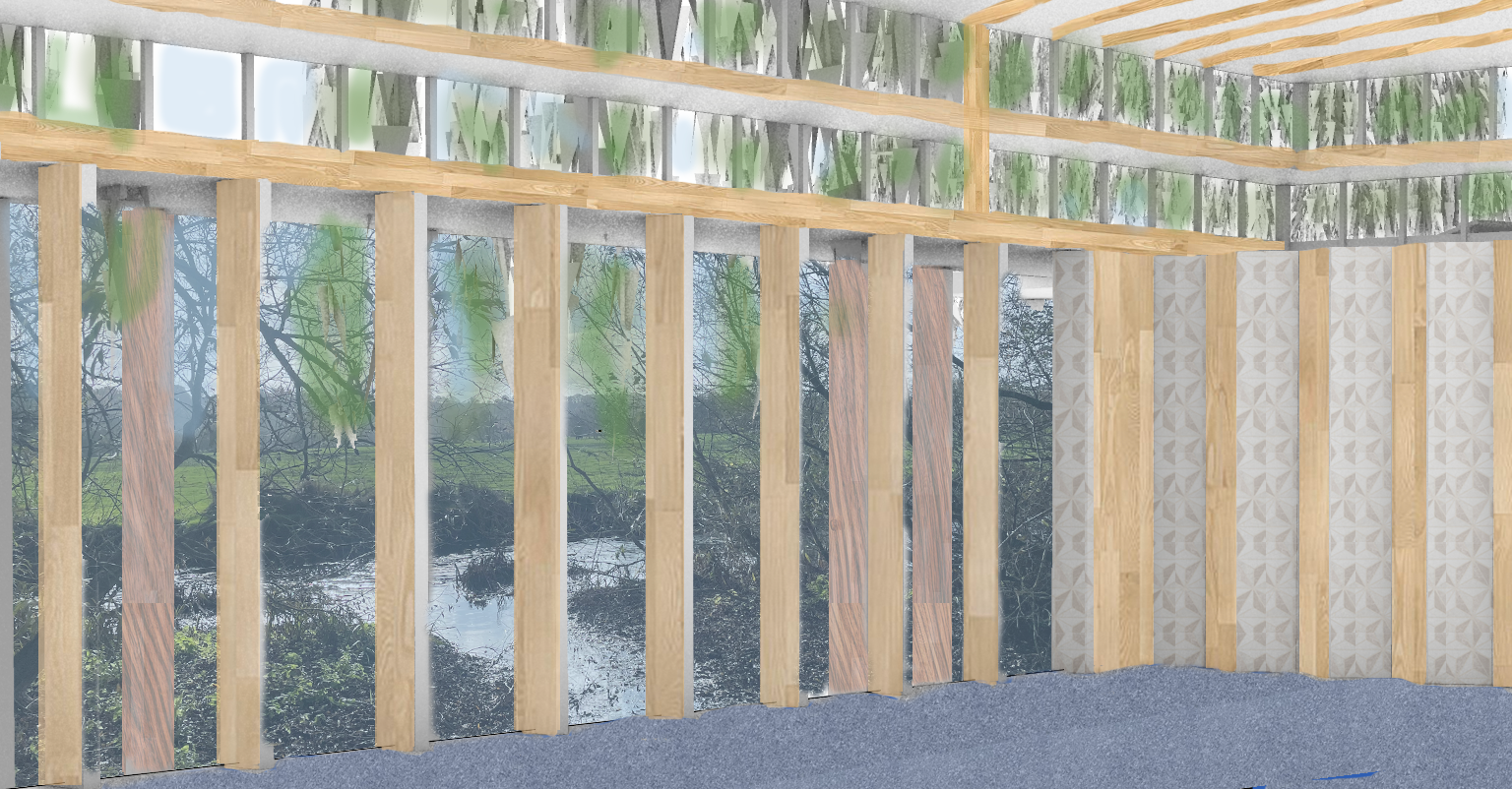
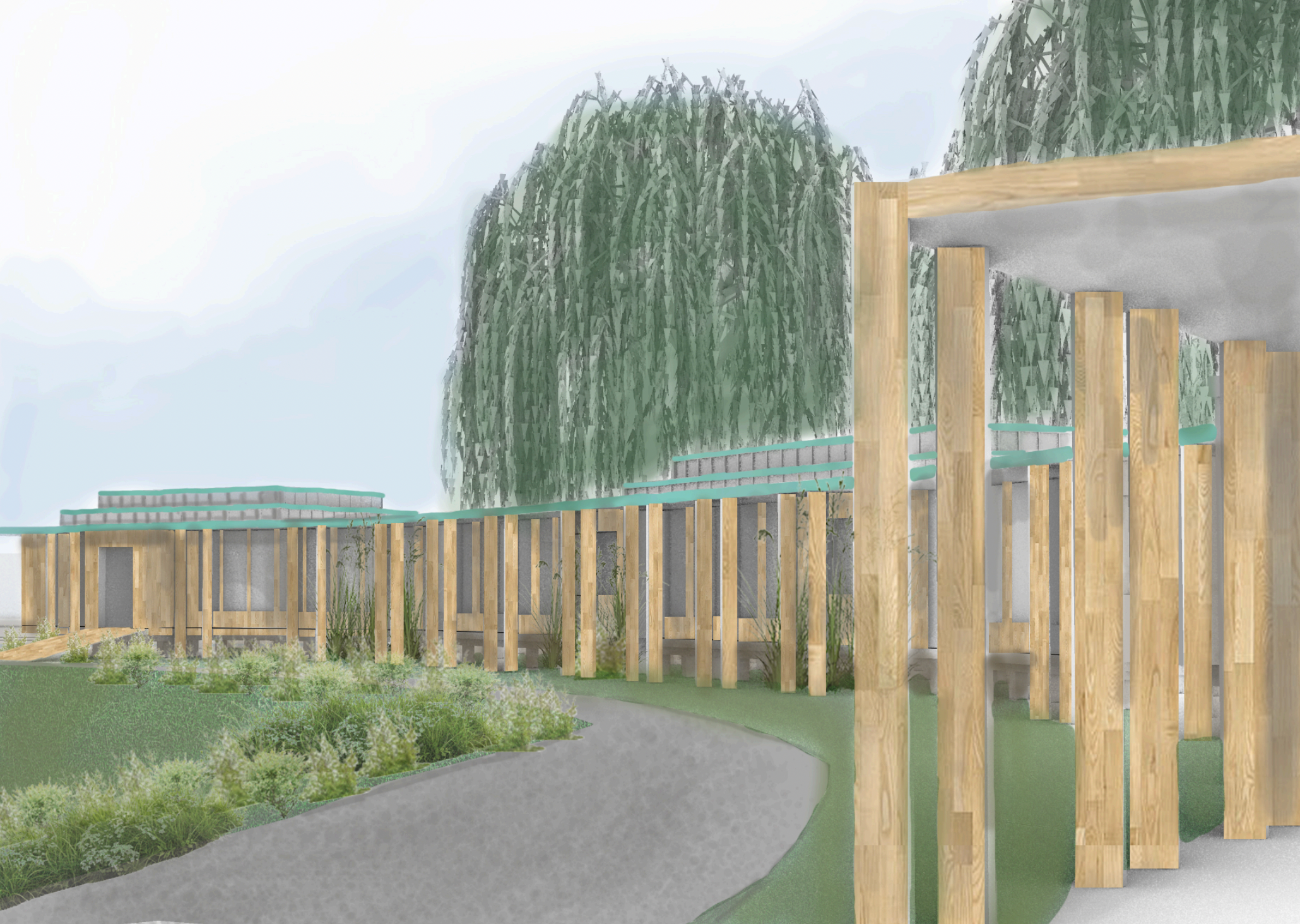
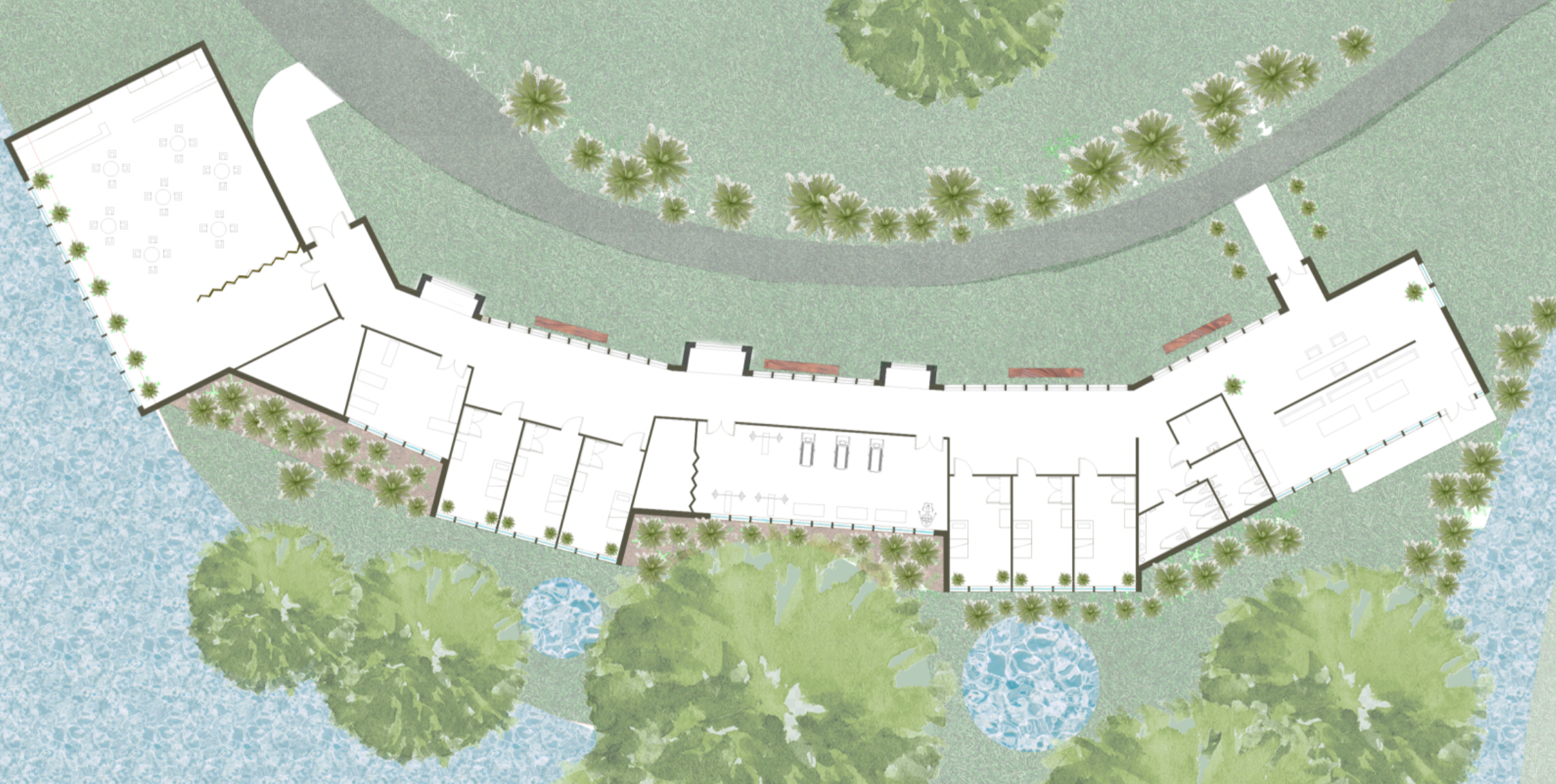
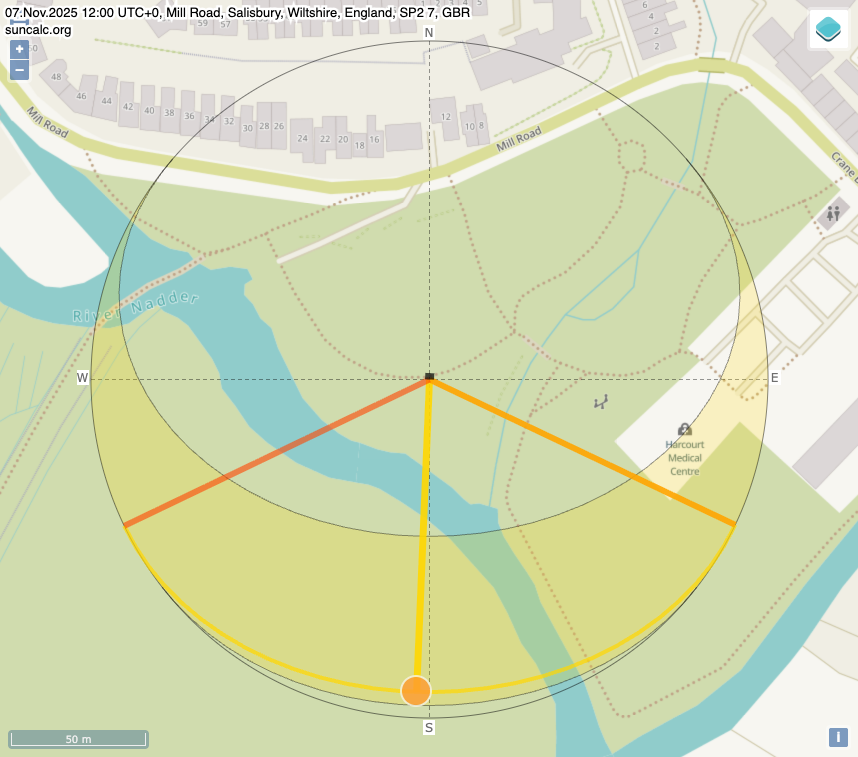
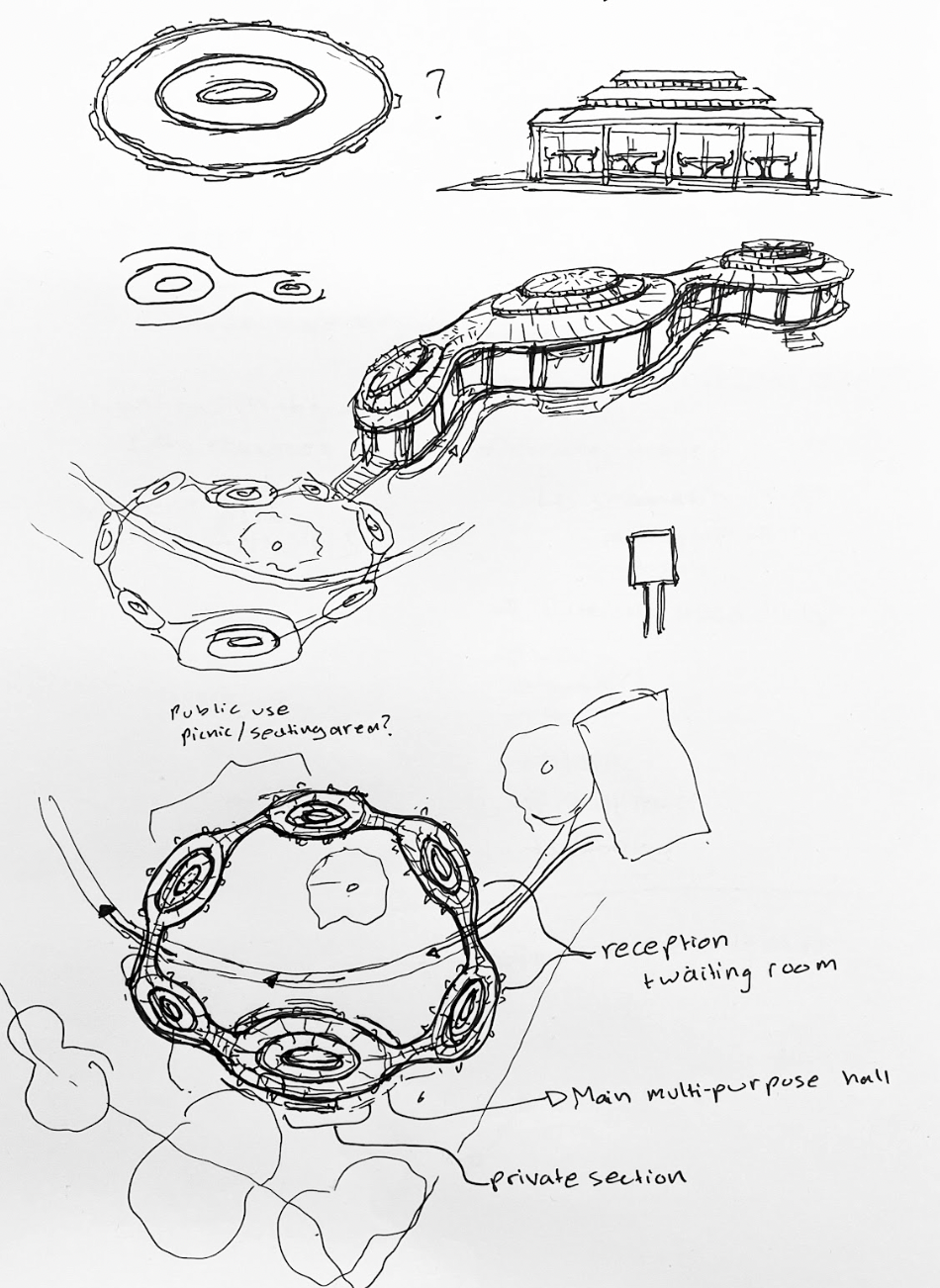
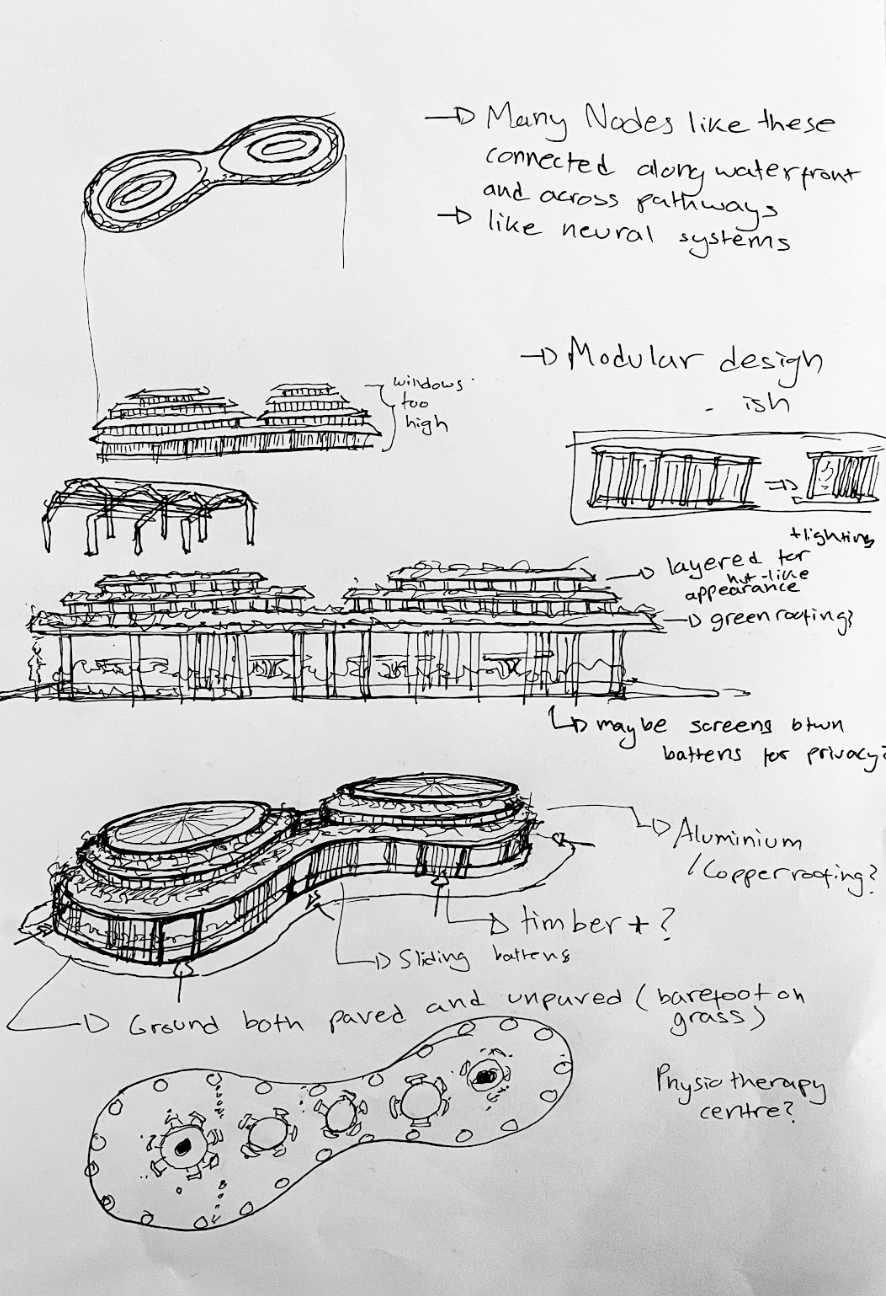
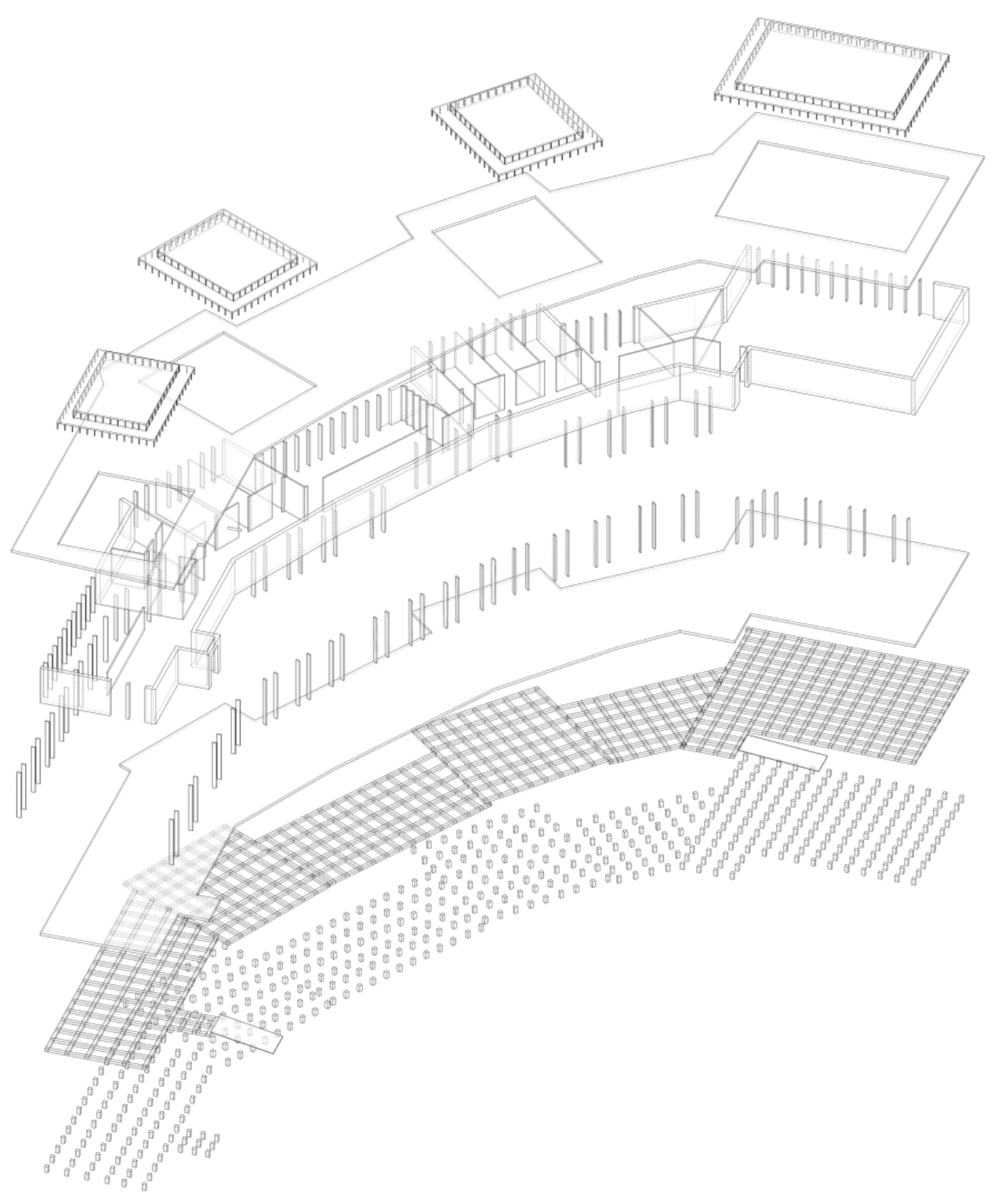
For my year 3 design studio brief, I chose to create a physiotherapy centre in Salisbury, facing the water meadows, nestled into a fork in the Avon river. The floor plan was designed to have efficient circulation, as well as to provide the best views for patients and attendees of events.
The entire building sits on stilts attached to ground screws, minimising negative environmental impact on the site. The serene views and relation to water is guaranteed to aid patients in soulful recovery
INTERNAL DETAIL DESIGN
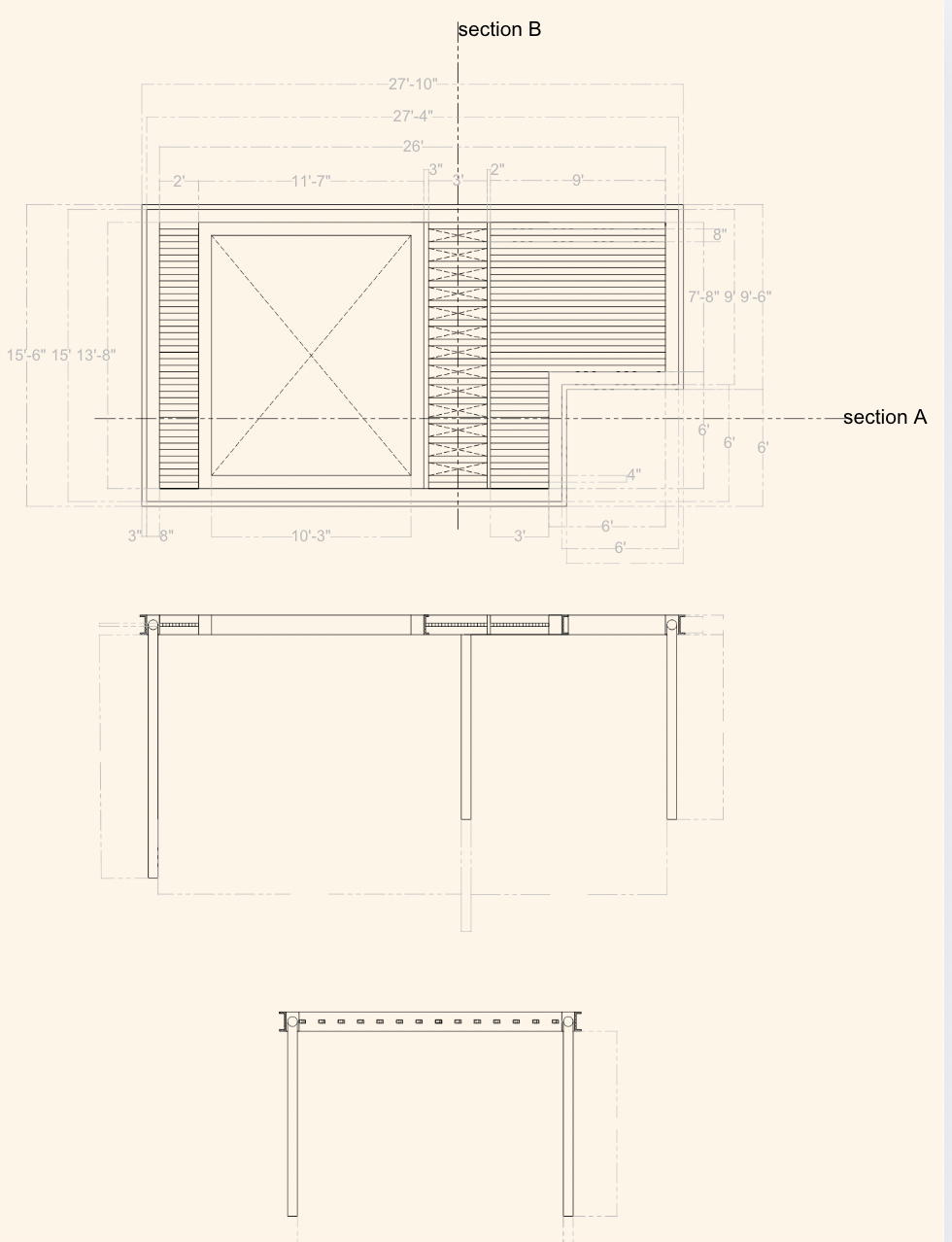
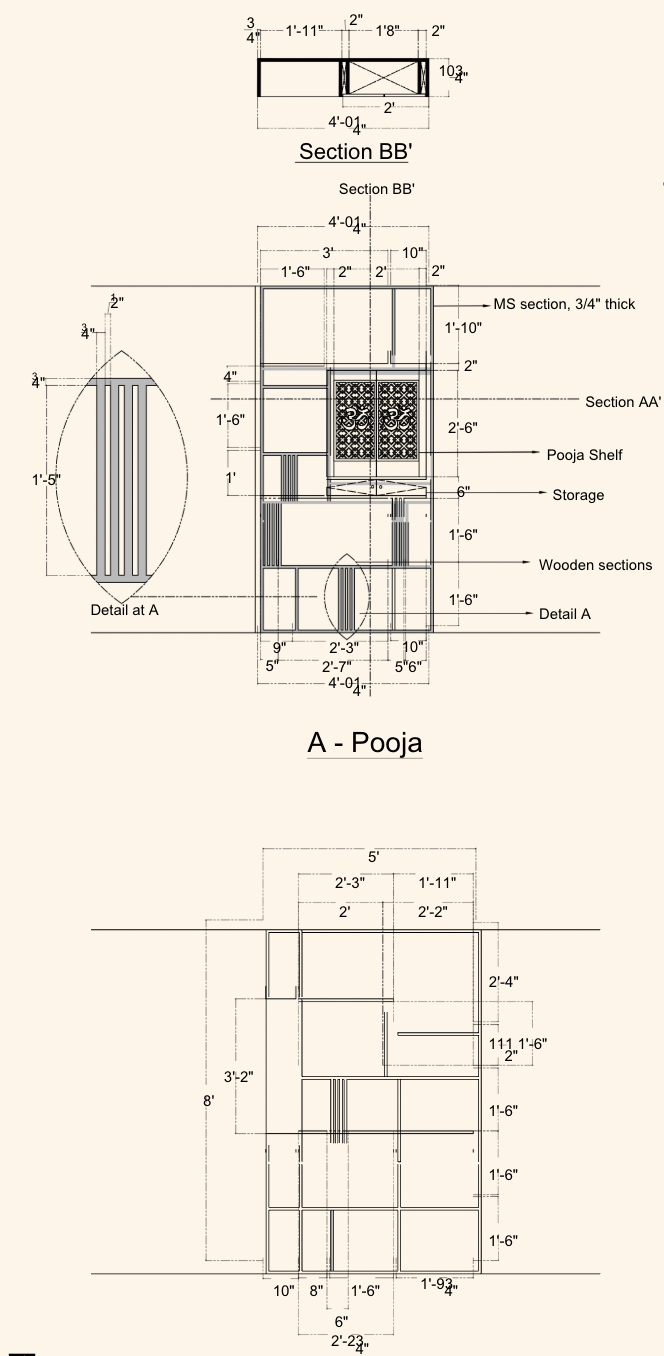
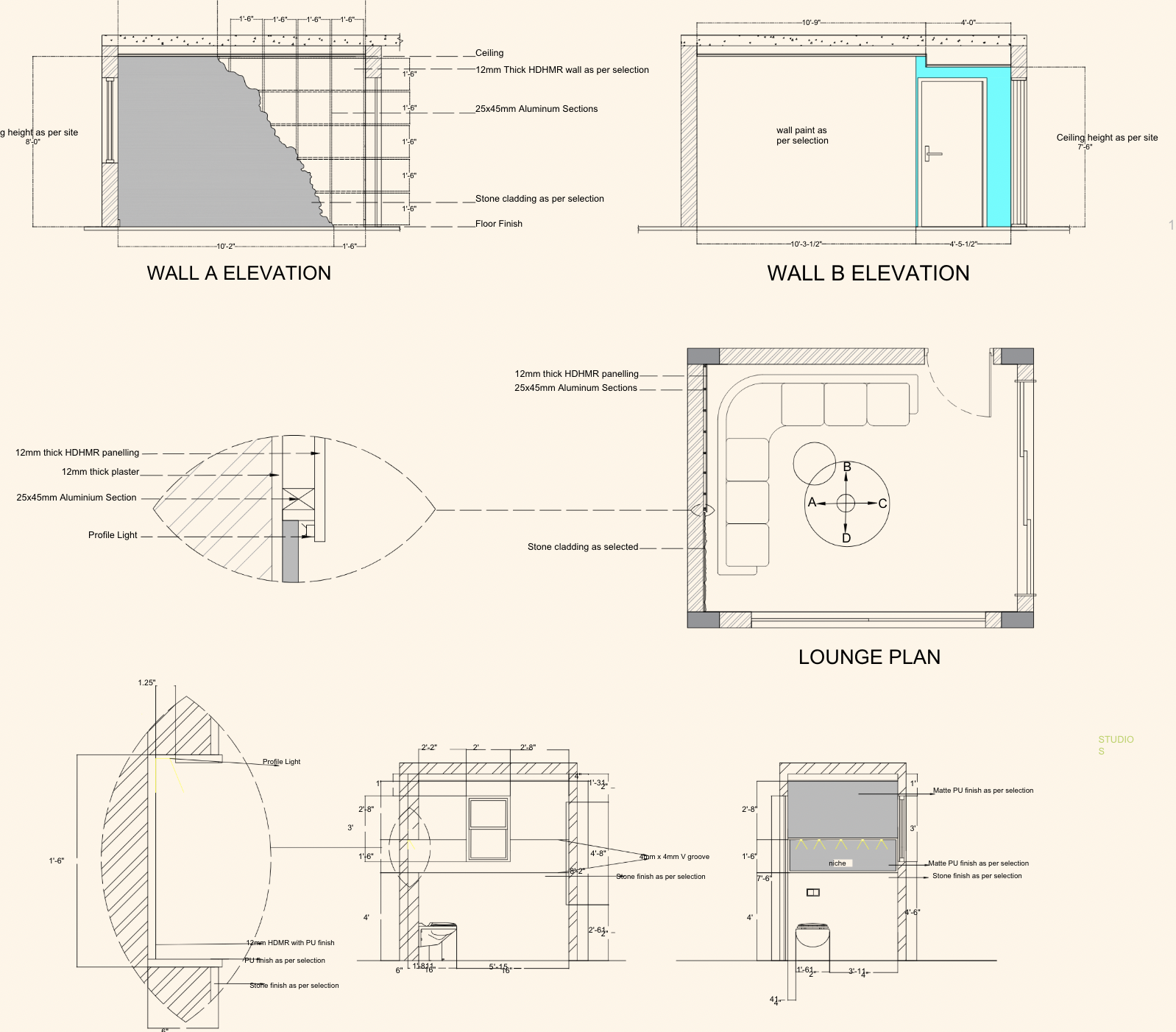
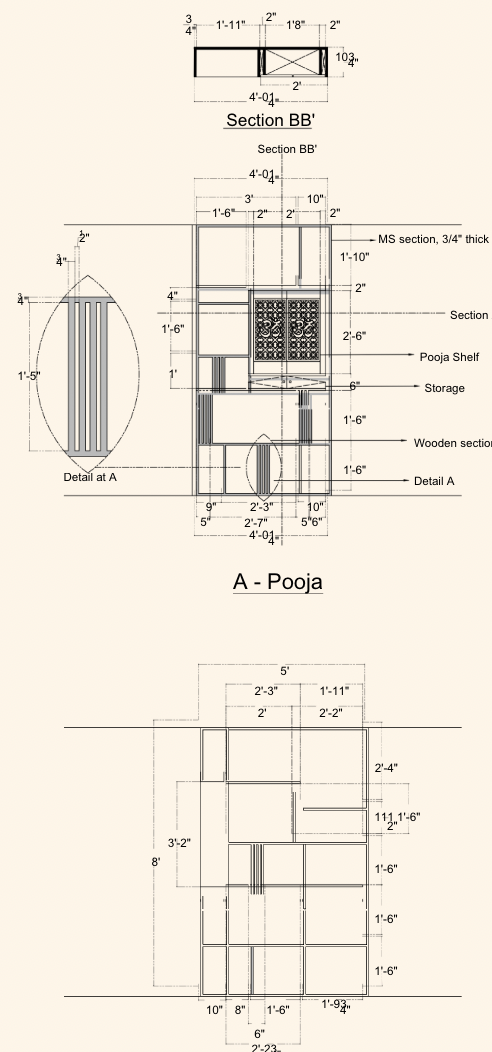
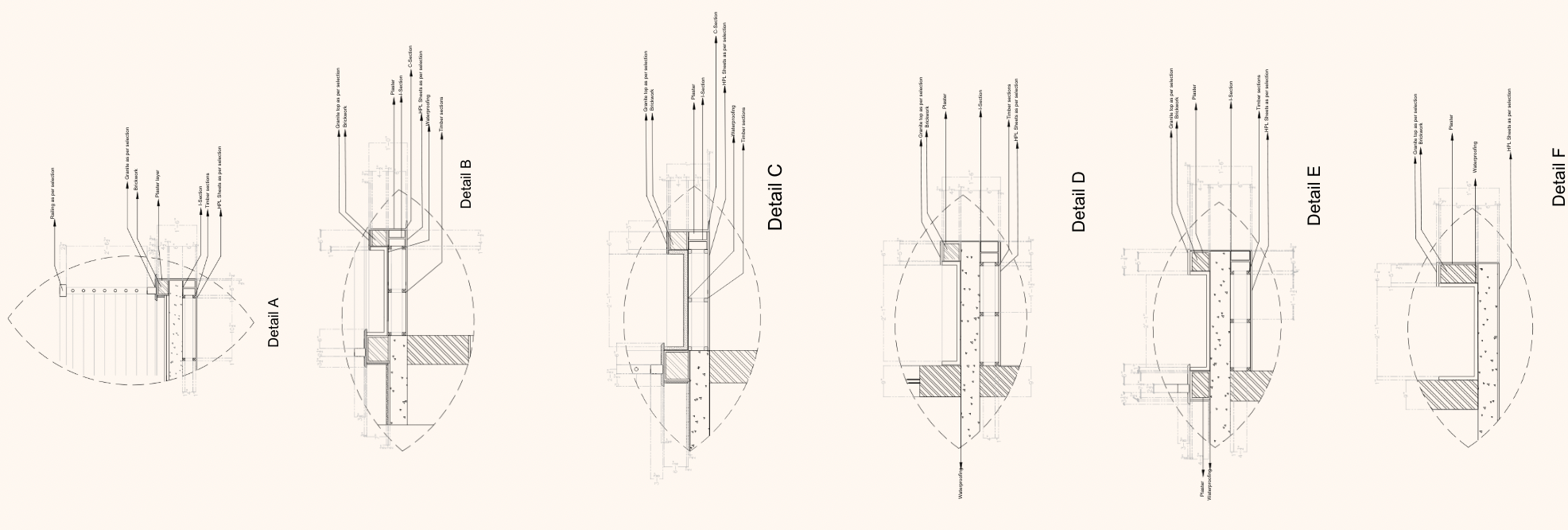
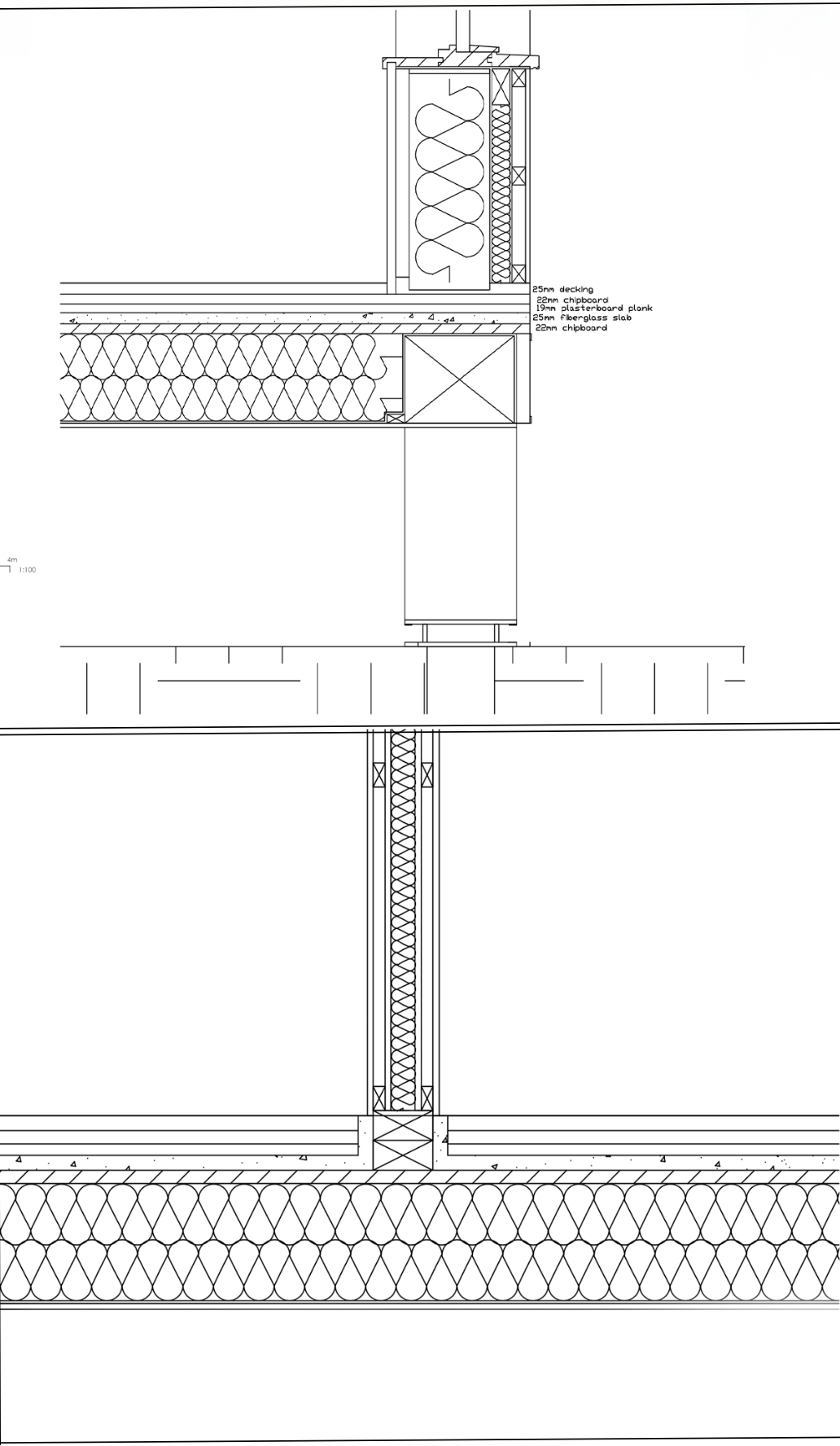
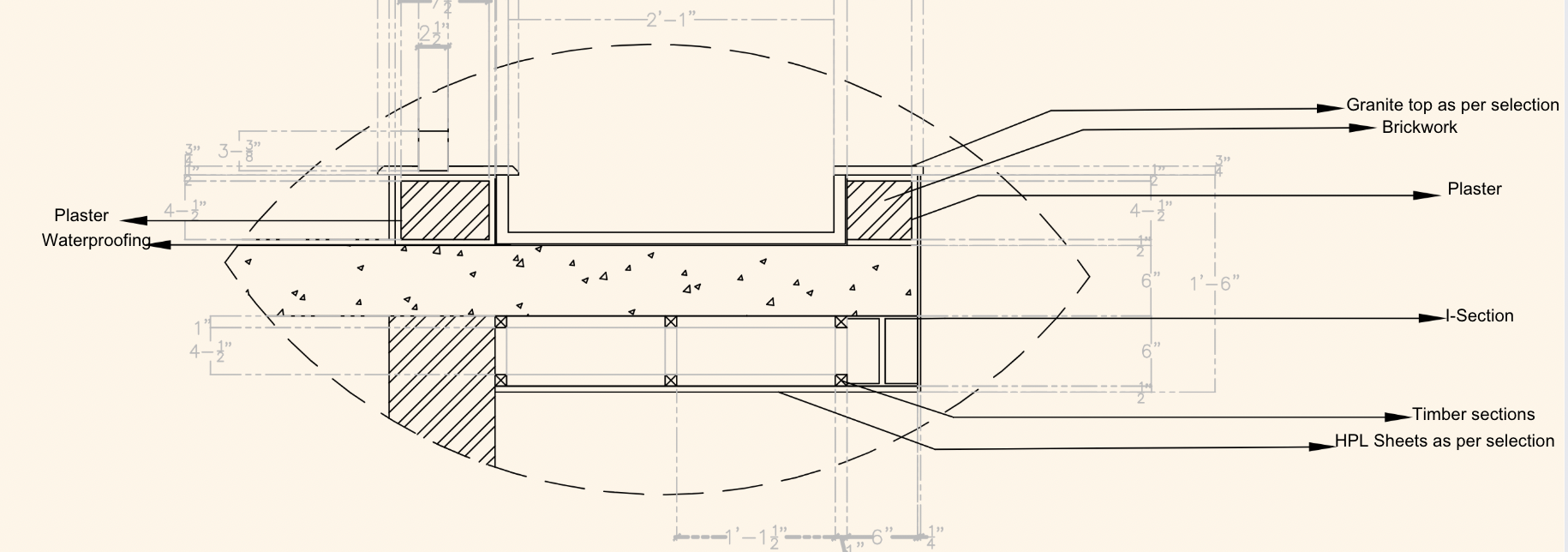
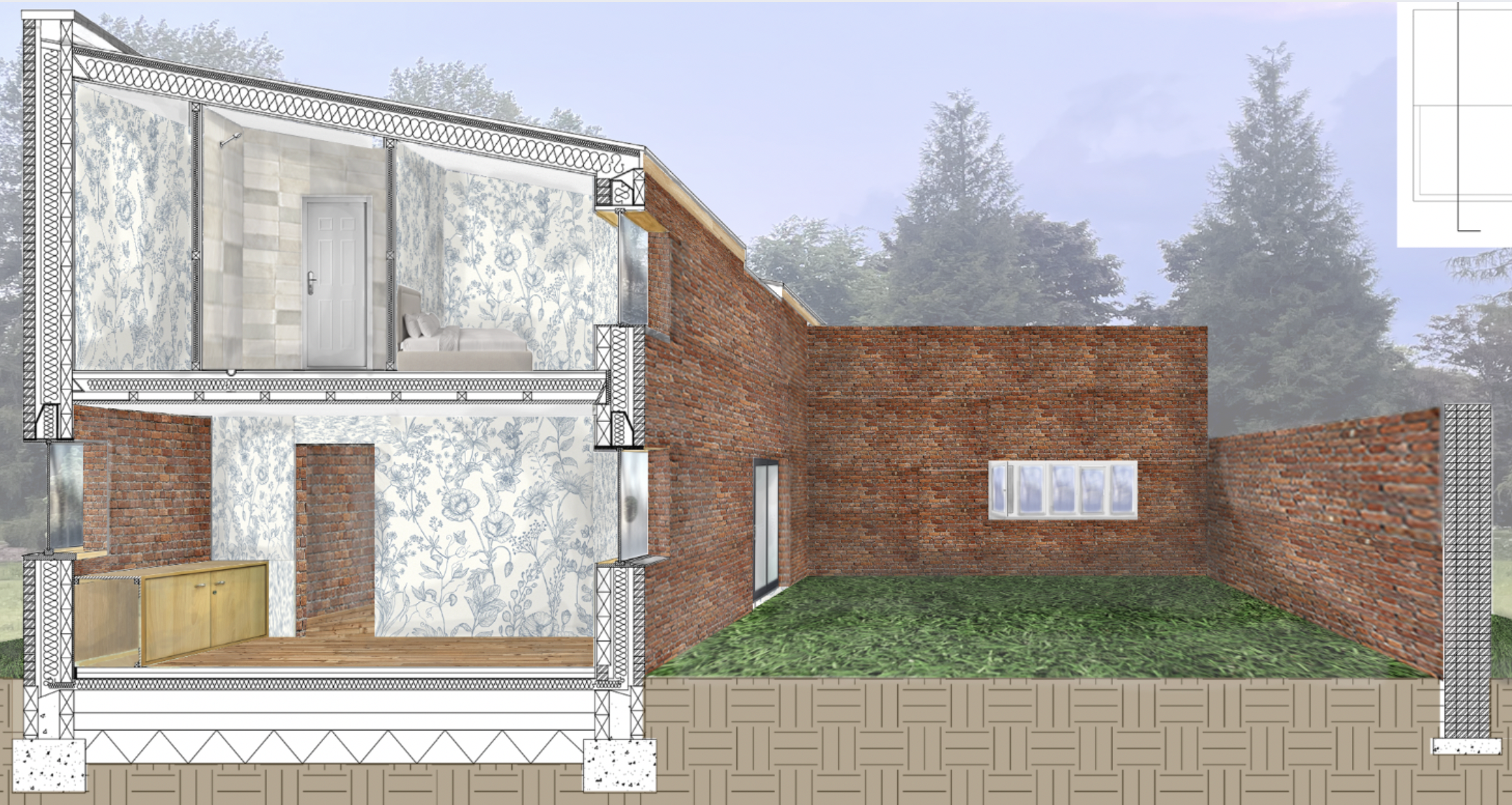
I worked on many detail design drafts during my placement at Allied Design Studios, involving section diagrams, conceptual drawings, and modular design drafts. The majority of these were concerned with interior design, such as the construction detail of individually designed shelves and closets, and installation of decorational wall mountings. This helped develop both my drafting skills and my detail design knowledge.
PLACEMENT PROJECT I
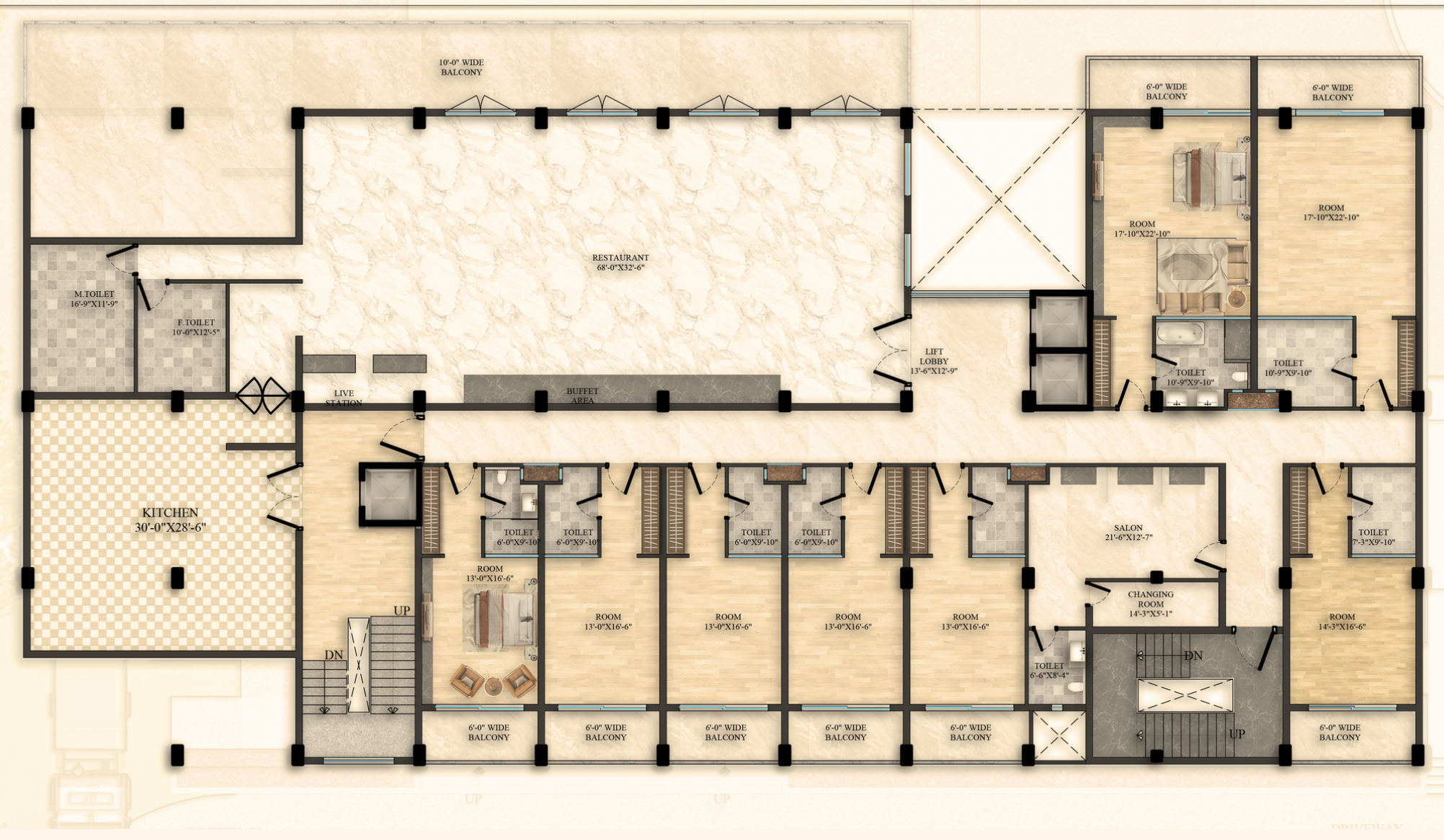
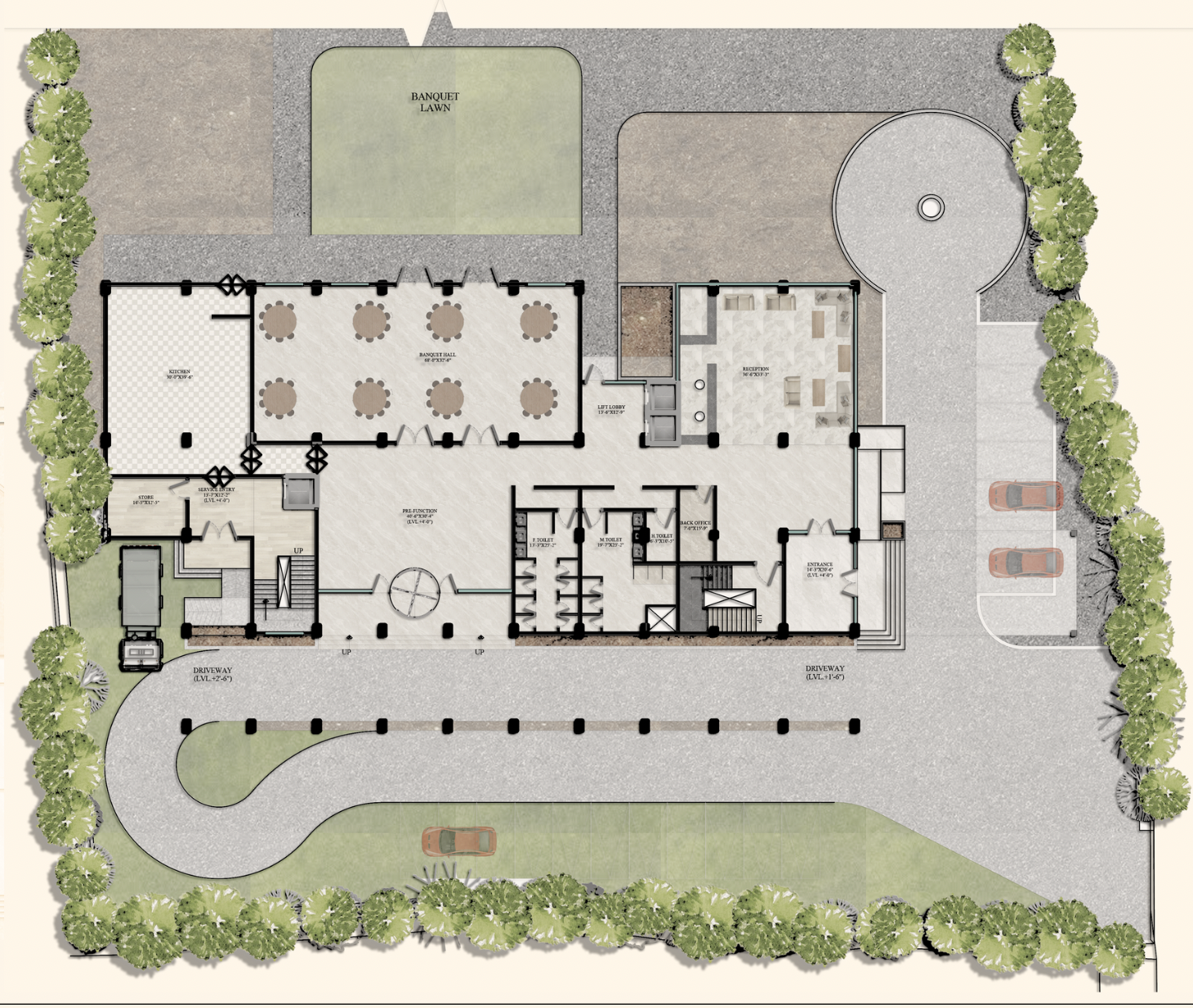
At my placement, one of the projects I worked longest on was drafting and rendering floor plans for a hotel based in Nainital, North India. This process involved consideration of multiple materials and textures during the rendering process, considering costs, availability, and relevance. During the drafting process, I went through various precedents and examples to make sure the orientation and placement of each space was as efficient as possible.
This entire process allowed me to improve my skills in spacial arrangement, as well as gain some experience in hotel design. I also gained some experience in rendering via Photoshop and other adobe suite applications, increasing my area of technical expertise.
PLACEMENT PROJECT II
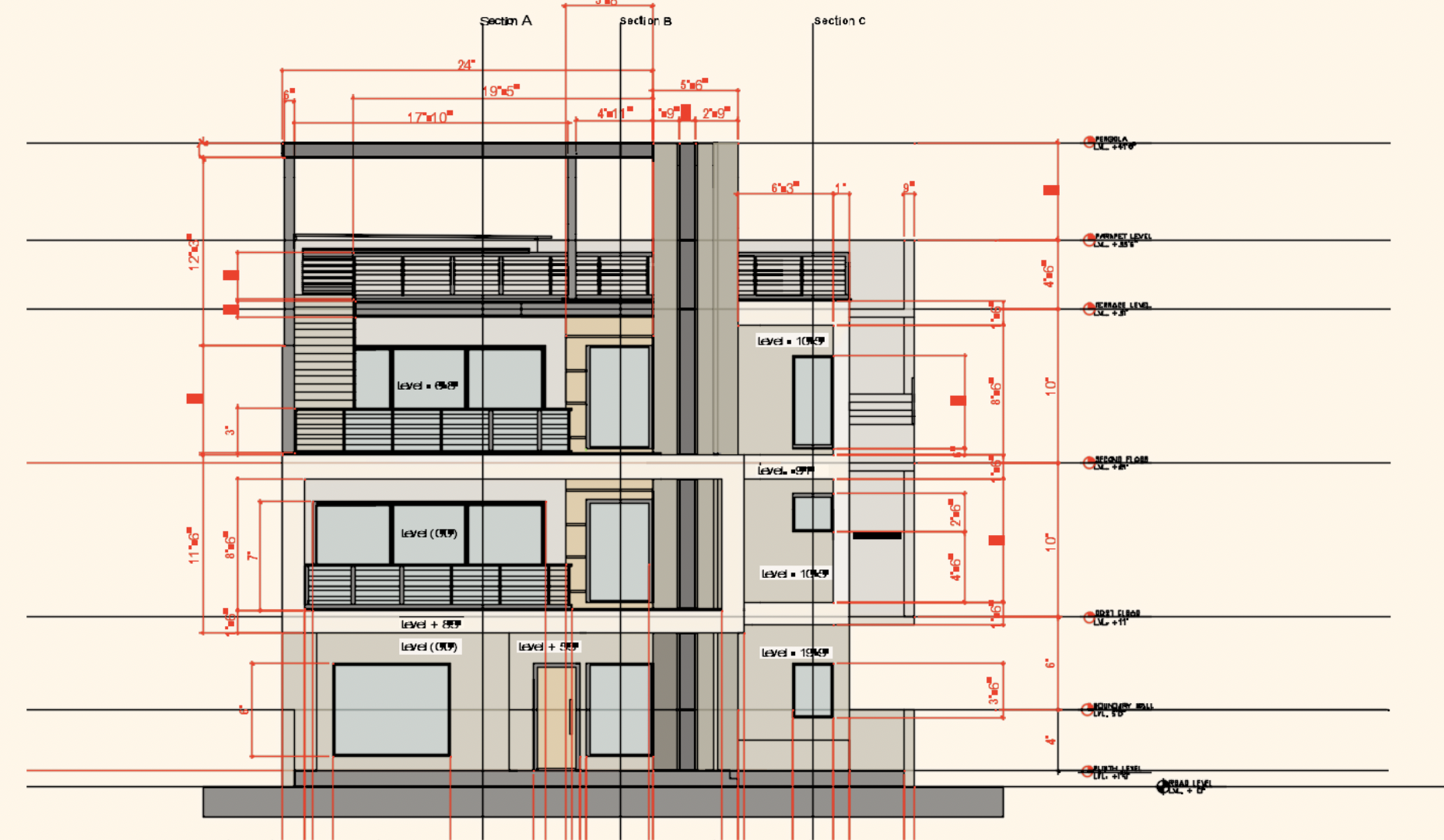
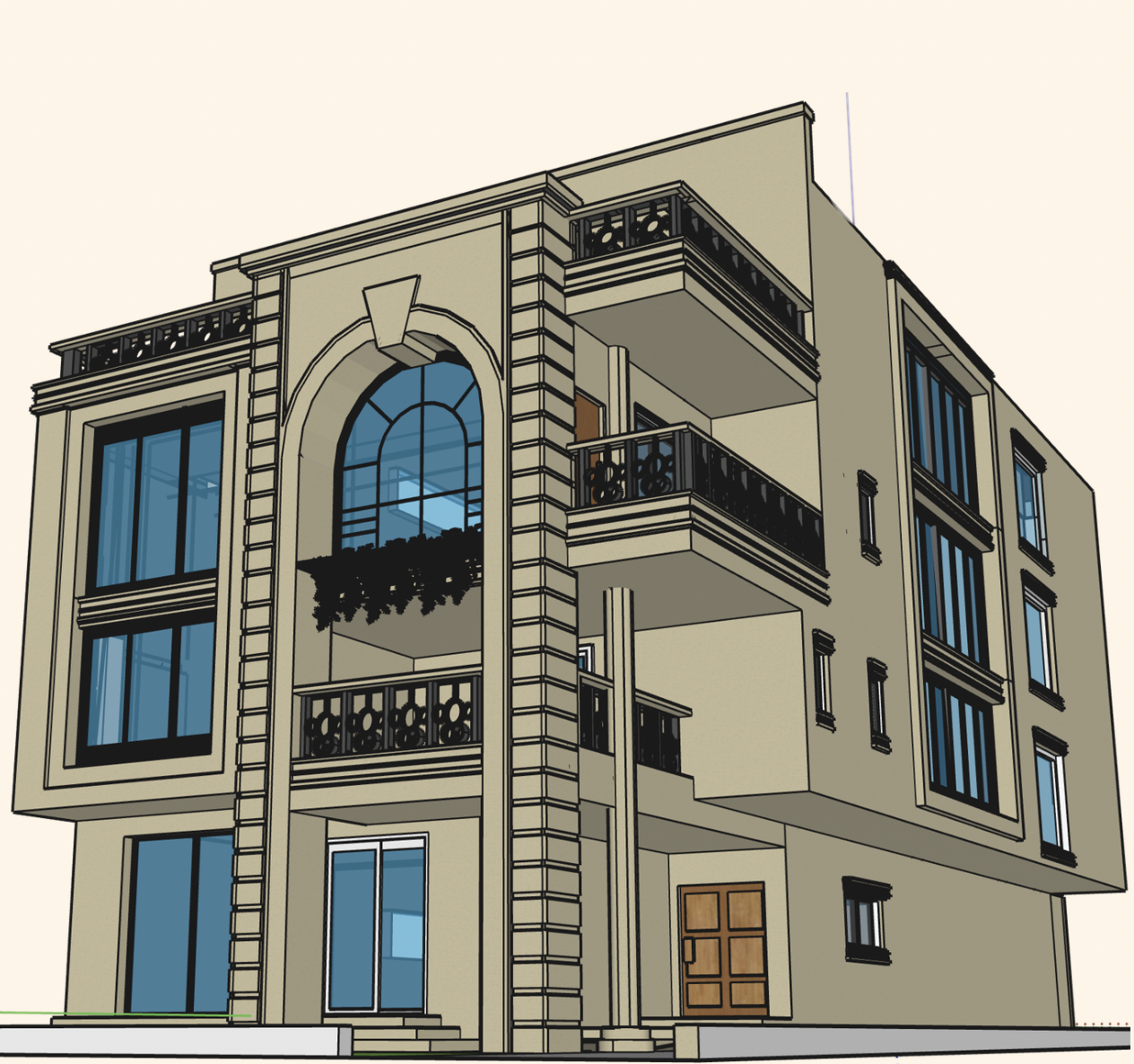
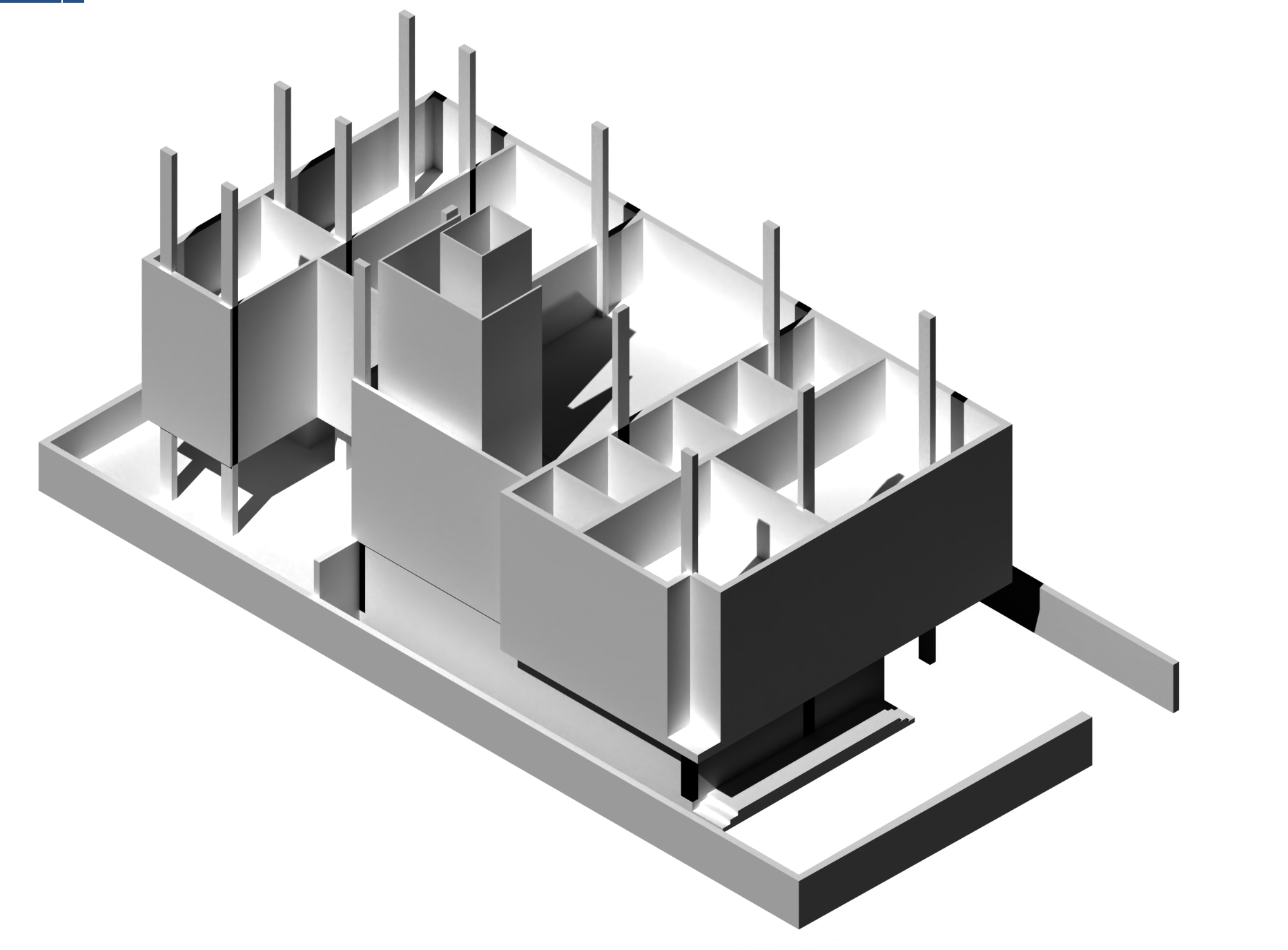
The project I played the largest role in during my placement was a 4-storey bungalow which the clients wanted to be inspired by French classical suburban design, while also being appropriate for the mountainous climate. I designed the facade based on provided finalised floor plans, and was able to create a visualisation that supported both the client’s needs and the environmental drawbacks. This helped develop my modelling skills and allowed me to gain experience in conceptual design.
Individual Projects
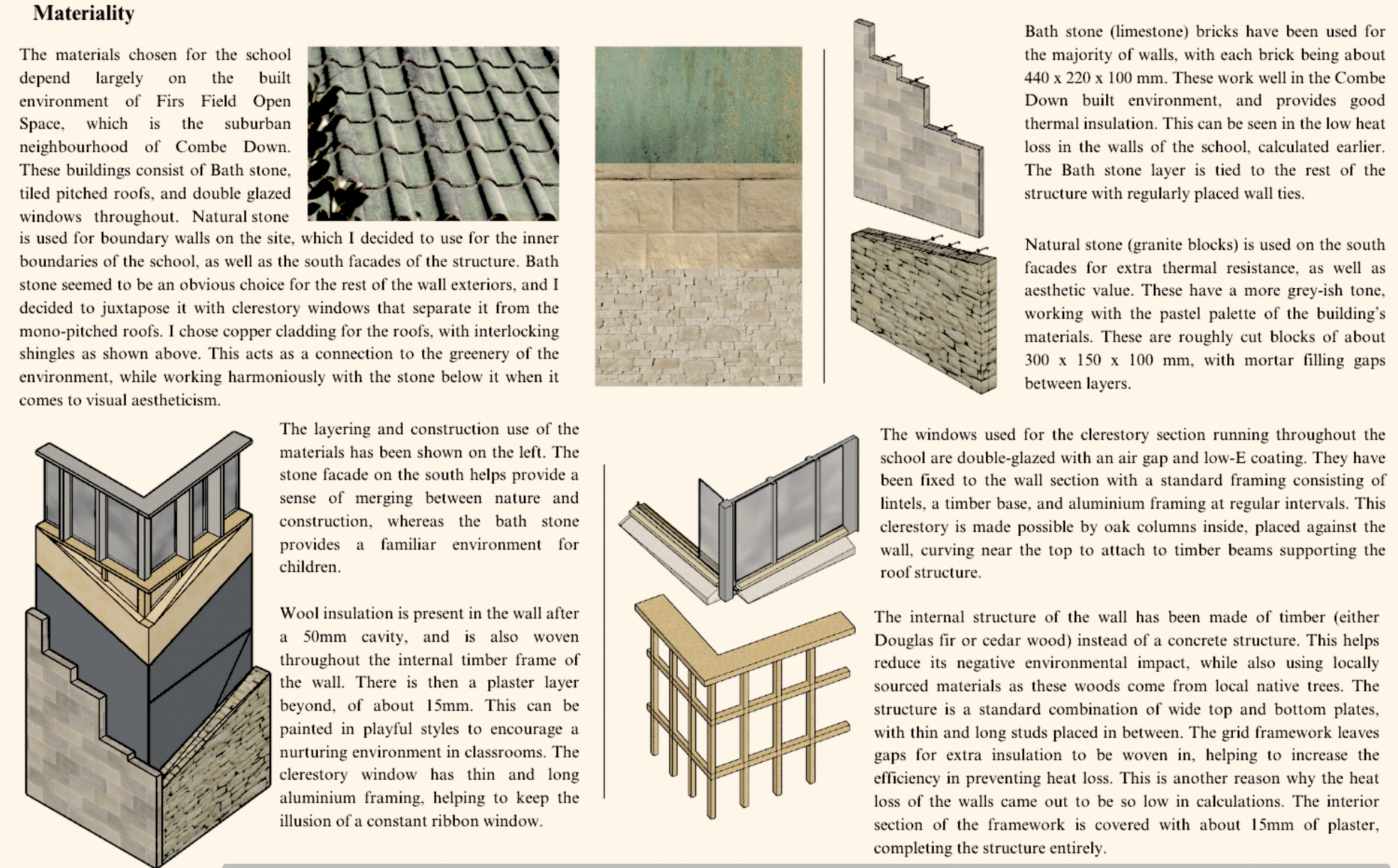
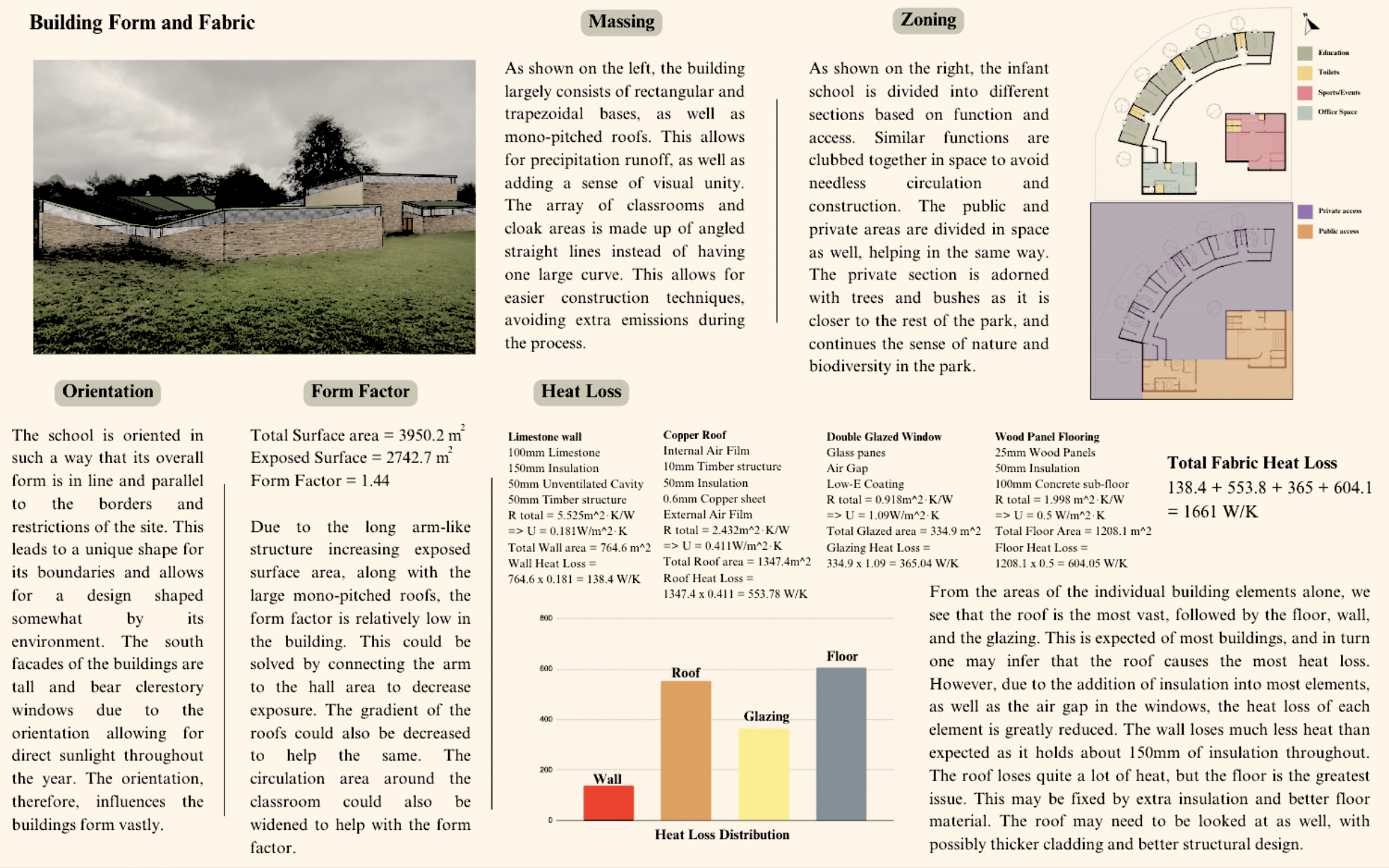
ENVIRONMENTAL AND STRUCTURAL WORK
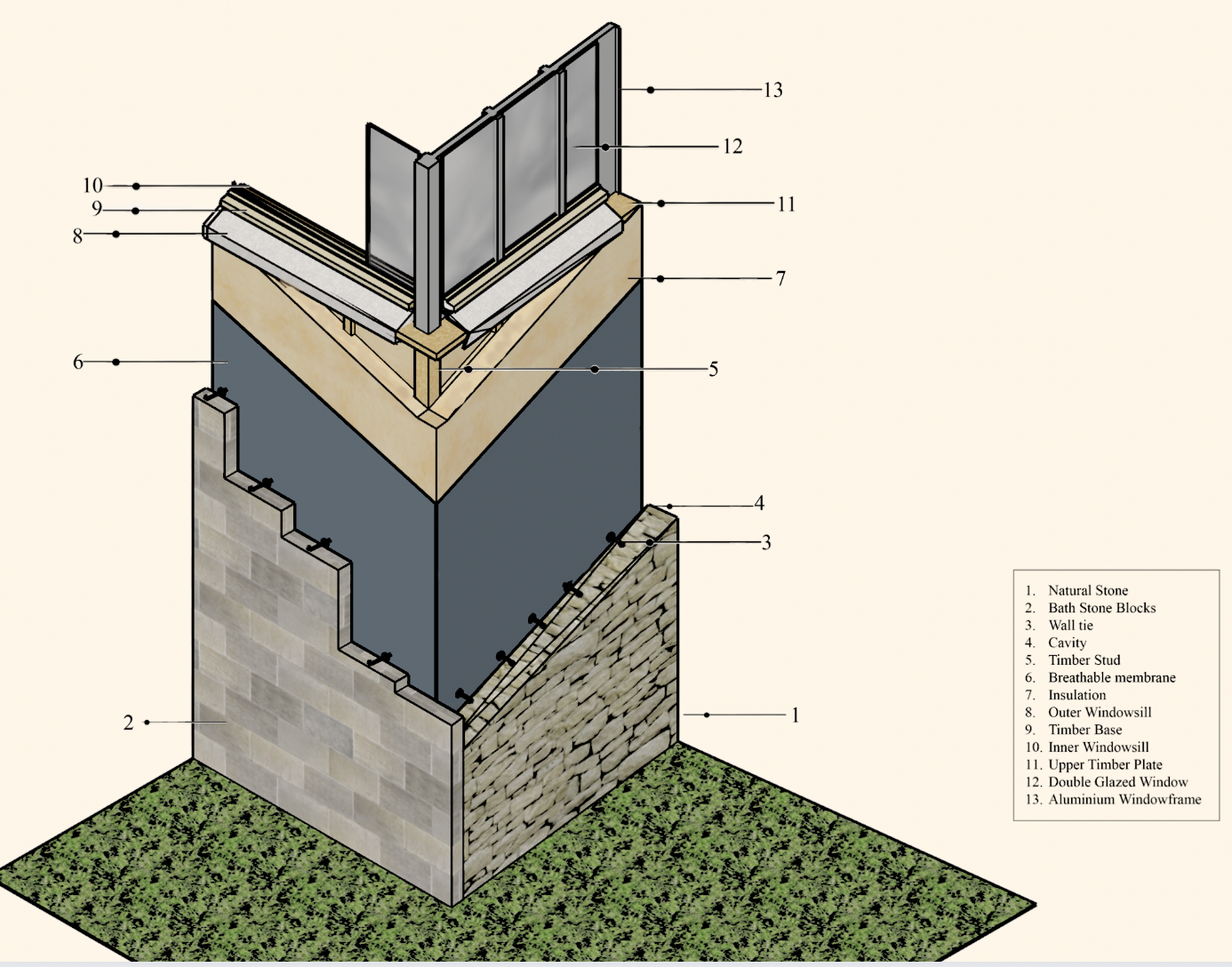
Over the duration of my undergraduate course, I performed many analyses on the environmental impact of projects, as well as some site evaluations to see how a project would fit into the space. I was also encouraged to consider the construction detail of these projects, breaking down their structural composition. Doing these tasks for multiple projects allowed me to increase my knowhow on important technical elements, and also inspired me to give an emphasis on sustainability in all my work.
SECOND YEAR FINAL
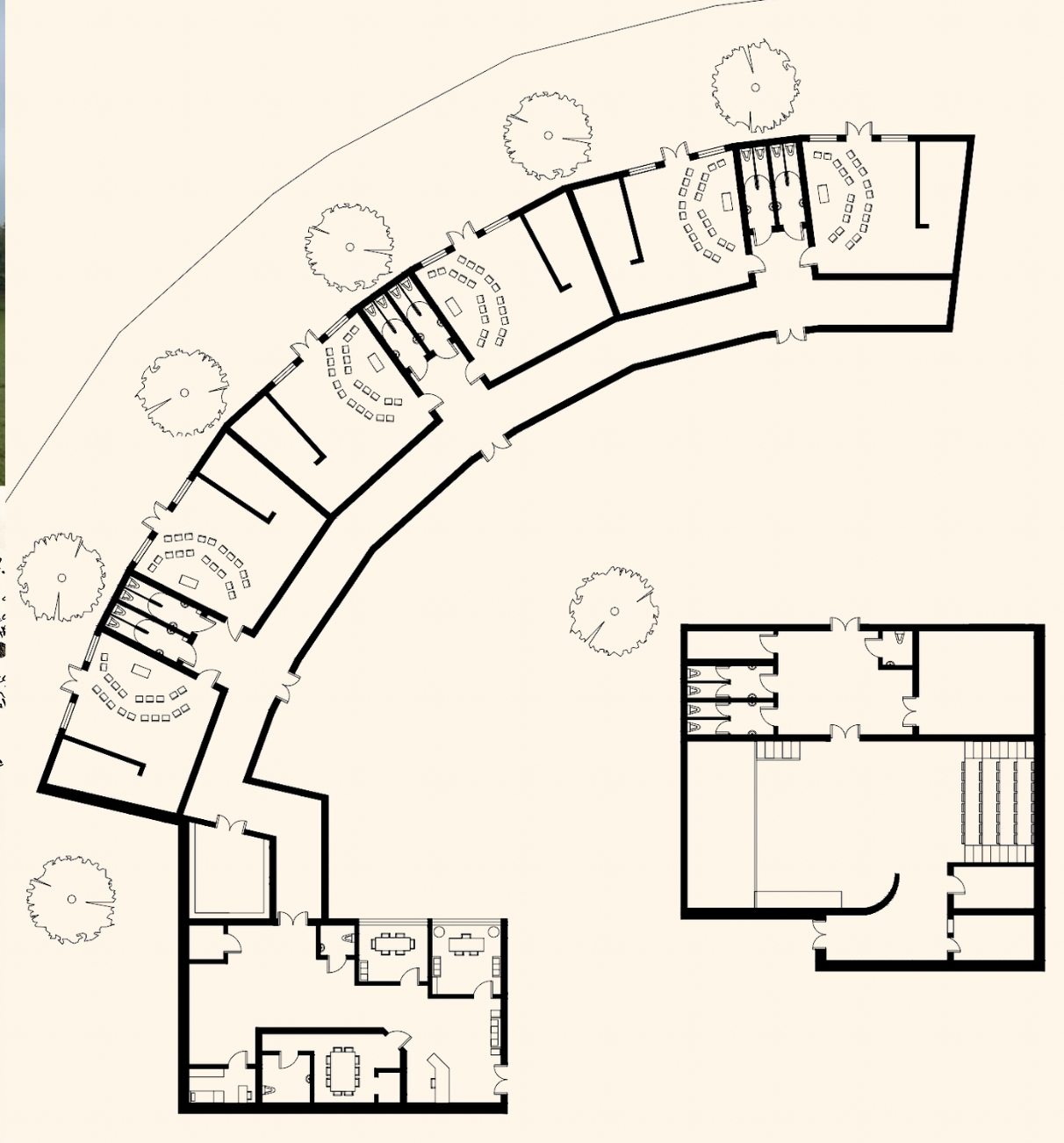
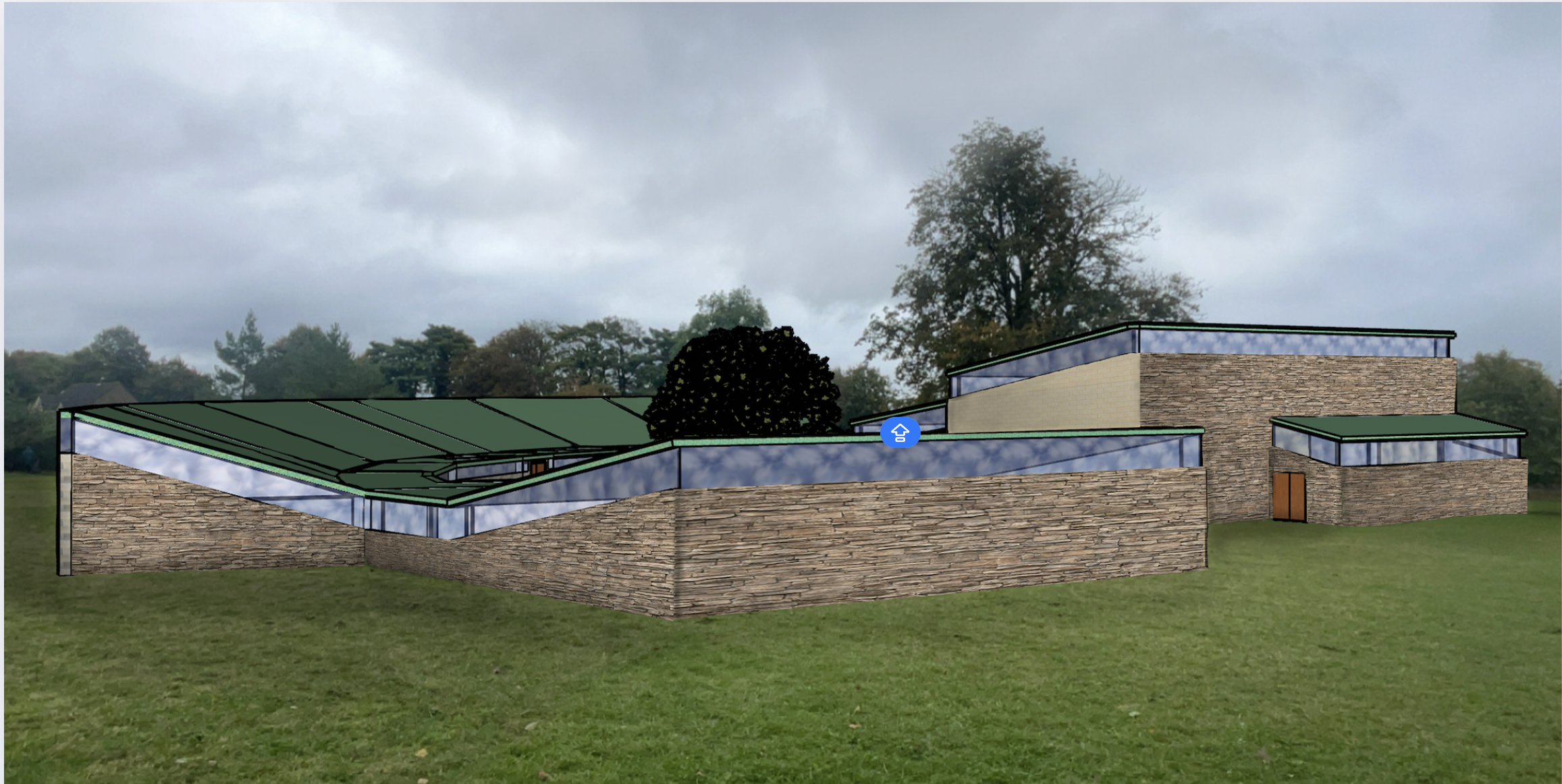
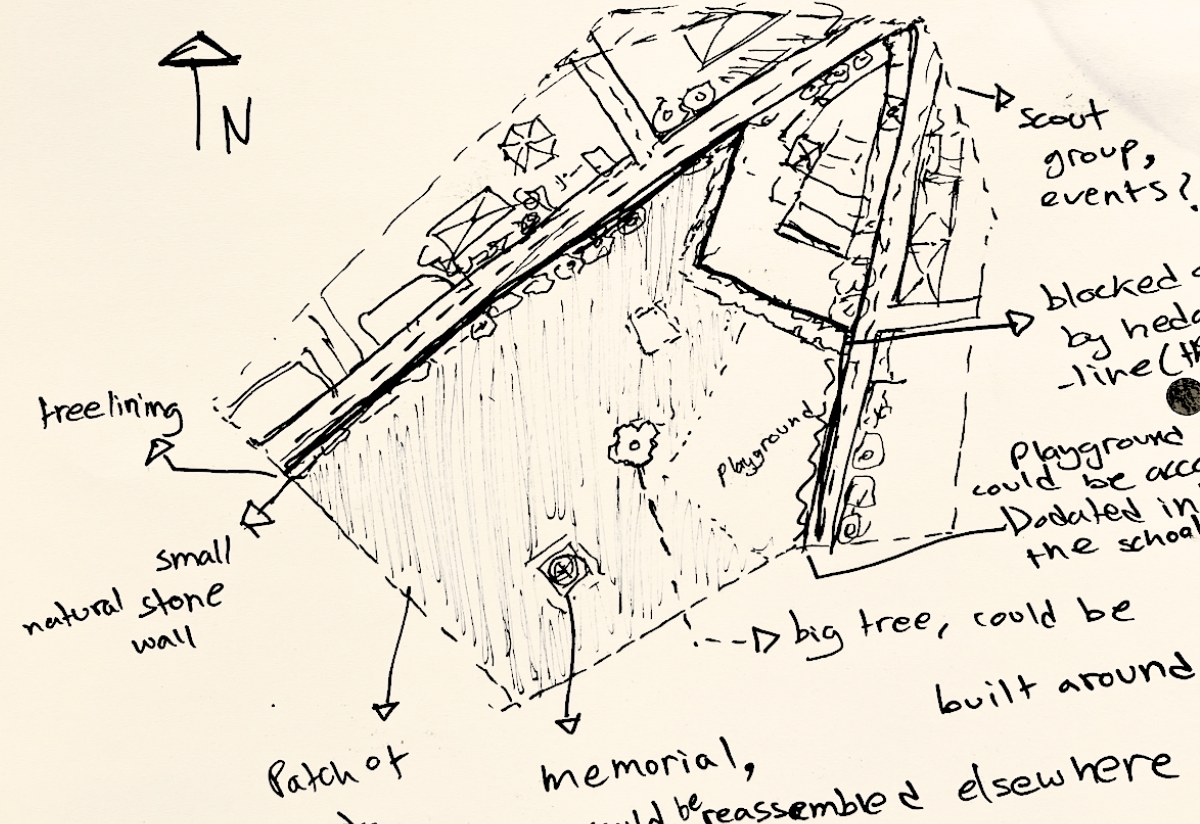
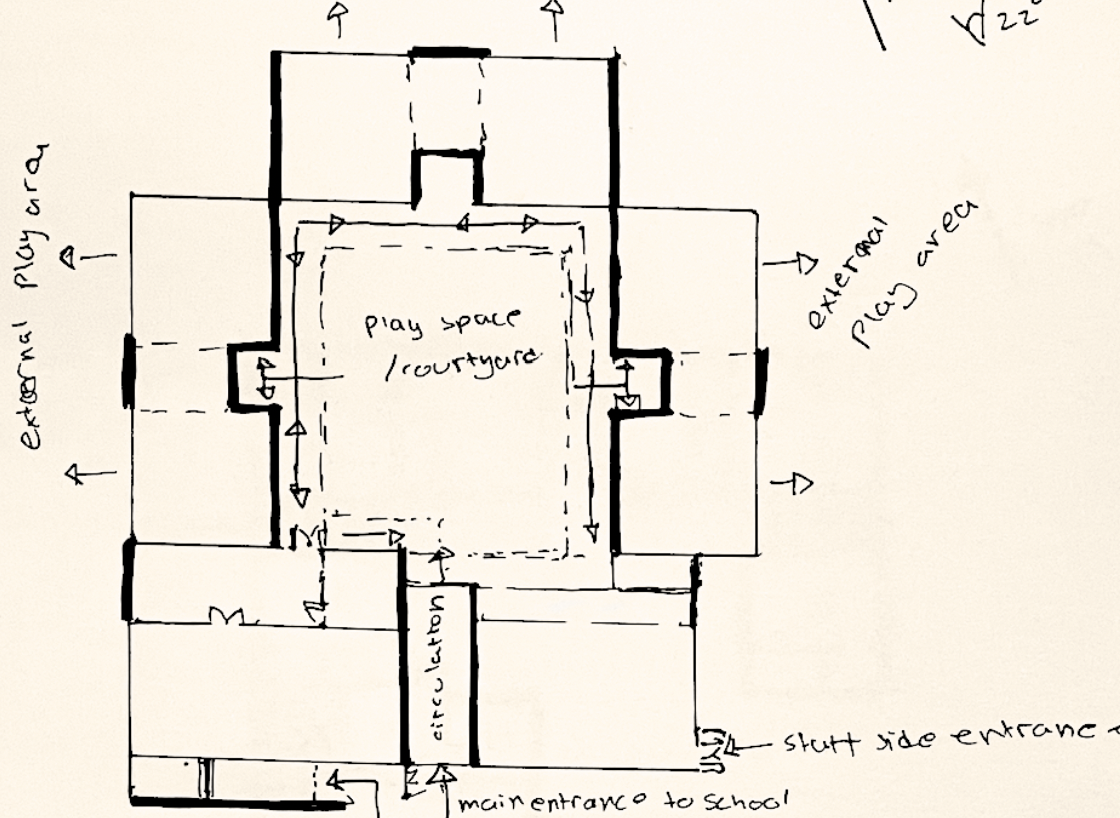
During my second year, the main project I worked on was an infant school based on a green site in Bath. This project encouraged me to perform in person site visits to survey the environmental impact of a design should it go through. I learned a great deal about materiality and sustainability in locally sourced materials, while maintaining an appropriate environment for children to enjoy education.
SECOND YEAR INTERIM
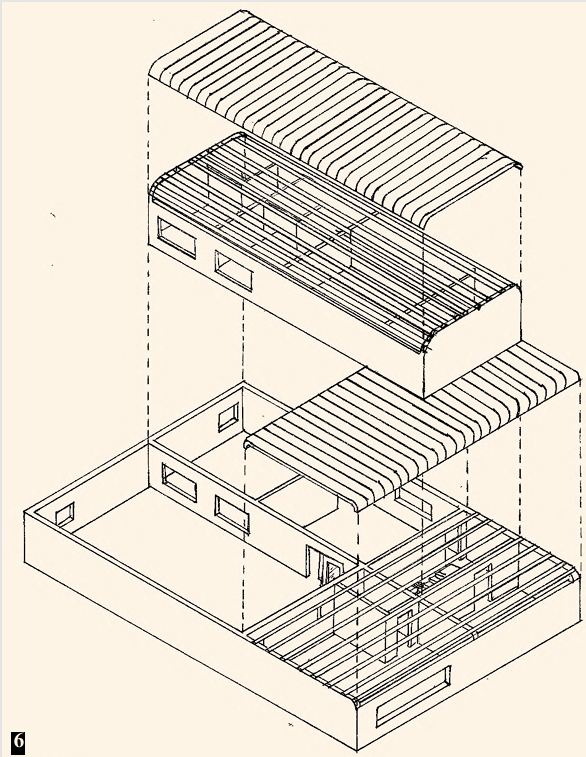
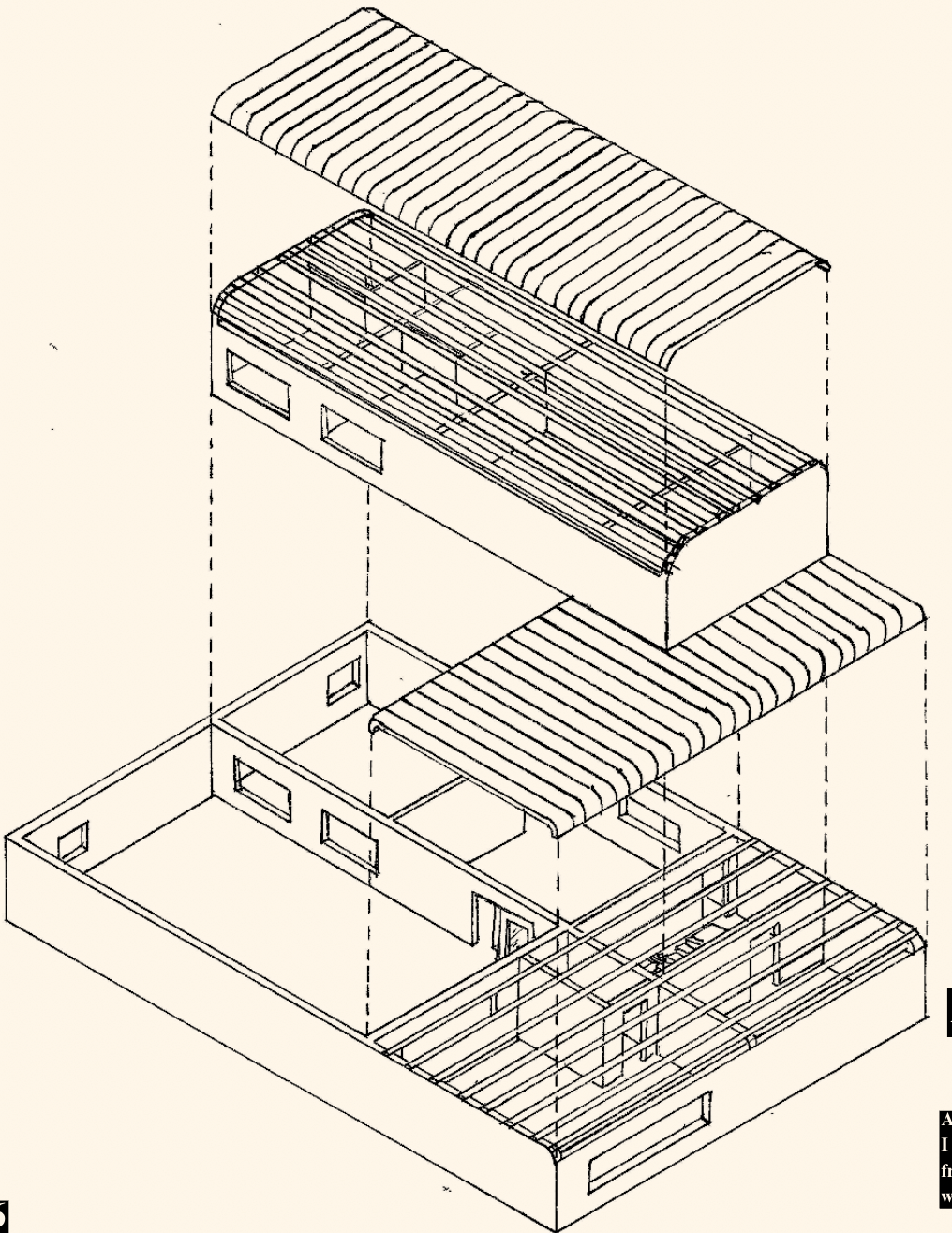
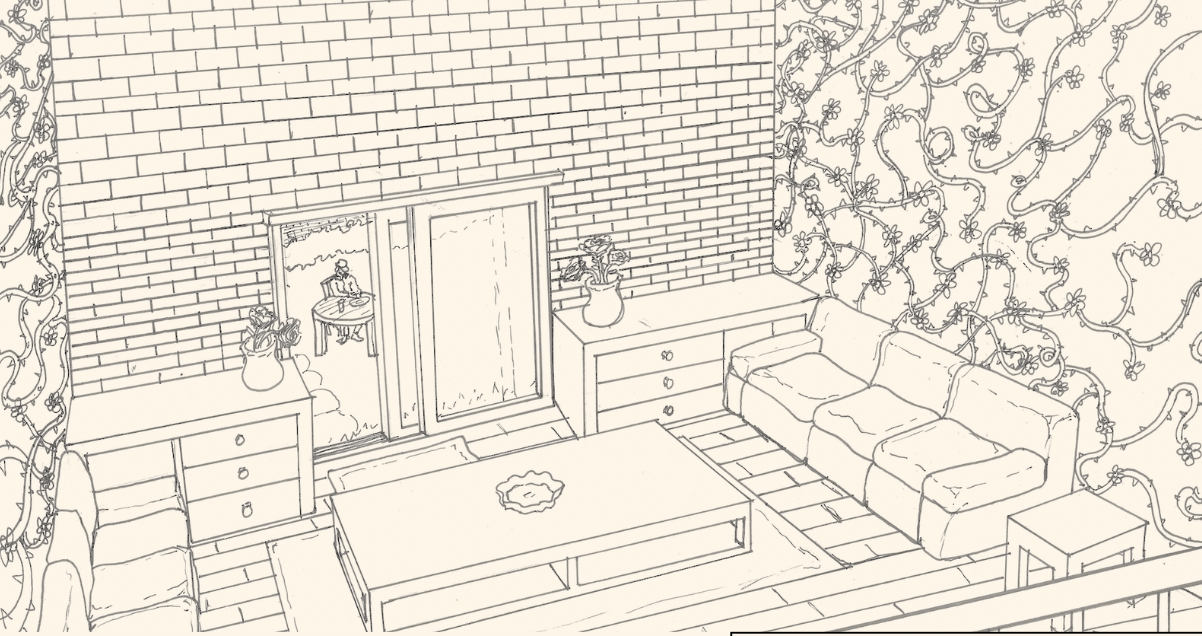
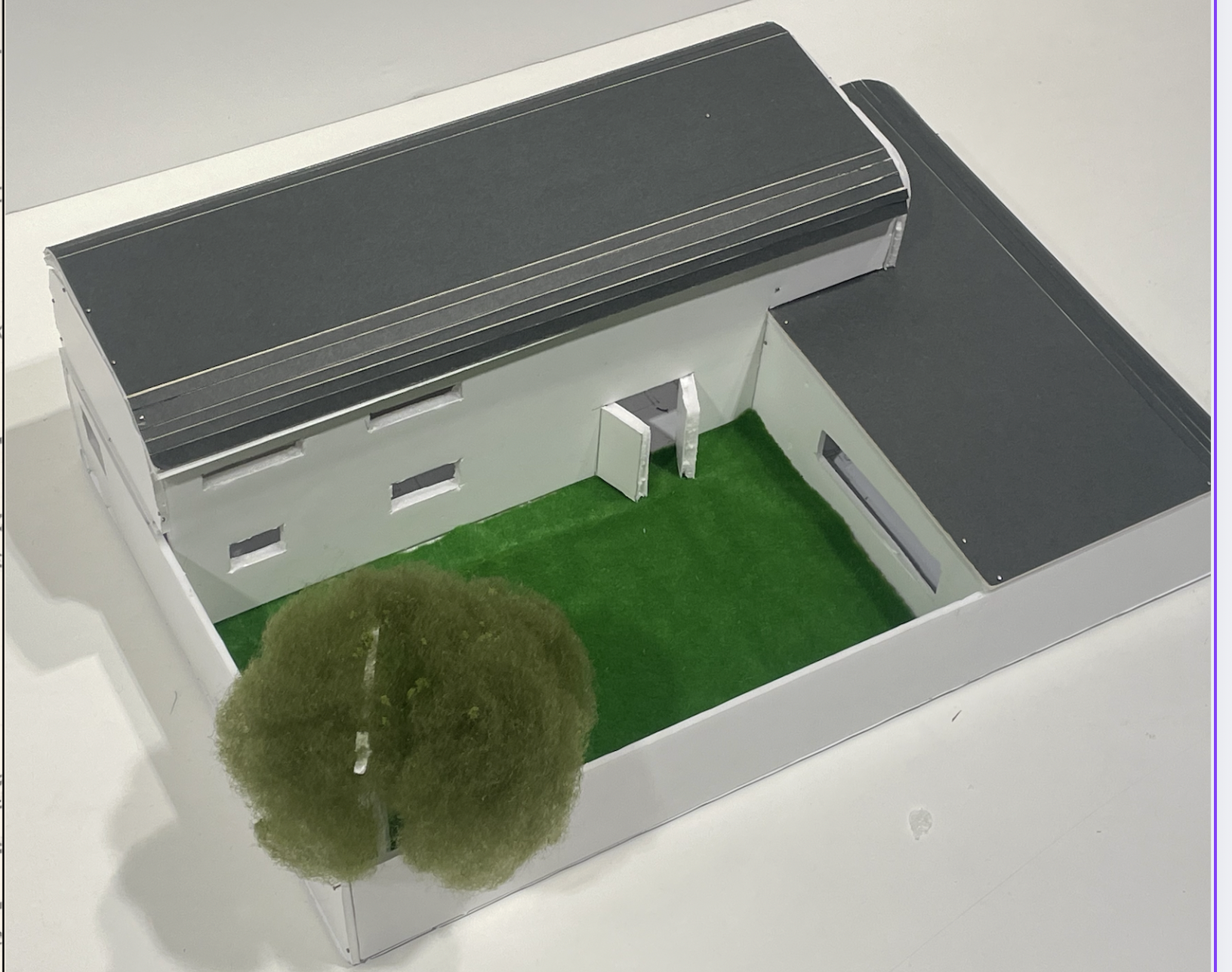
An interesting and unique assignment I worked on in my first year was a residential project for two artisans, whom I deemed to be woodworkers and guitar luthiers. This lent to a simple design consisting of various inspirations from acoustic guitars.
The internal layout was also inspired by the structure of a song, which worked surprisingly well for circulation. This project helped me realise the brilliance of simple design with a strong idea at its core.
FIRST YEAR FINAL
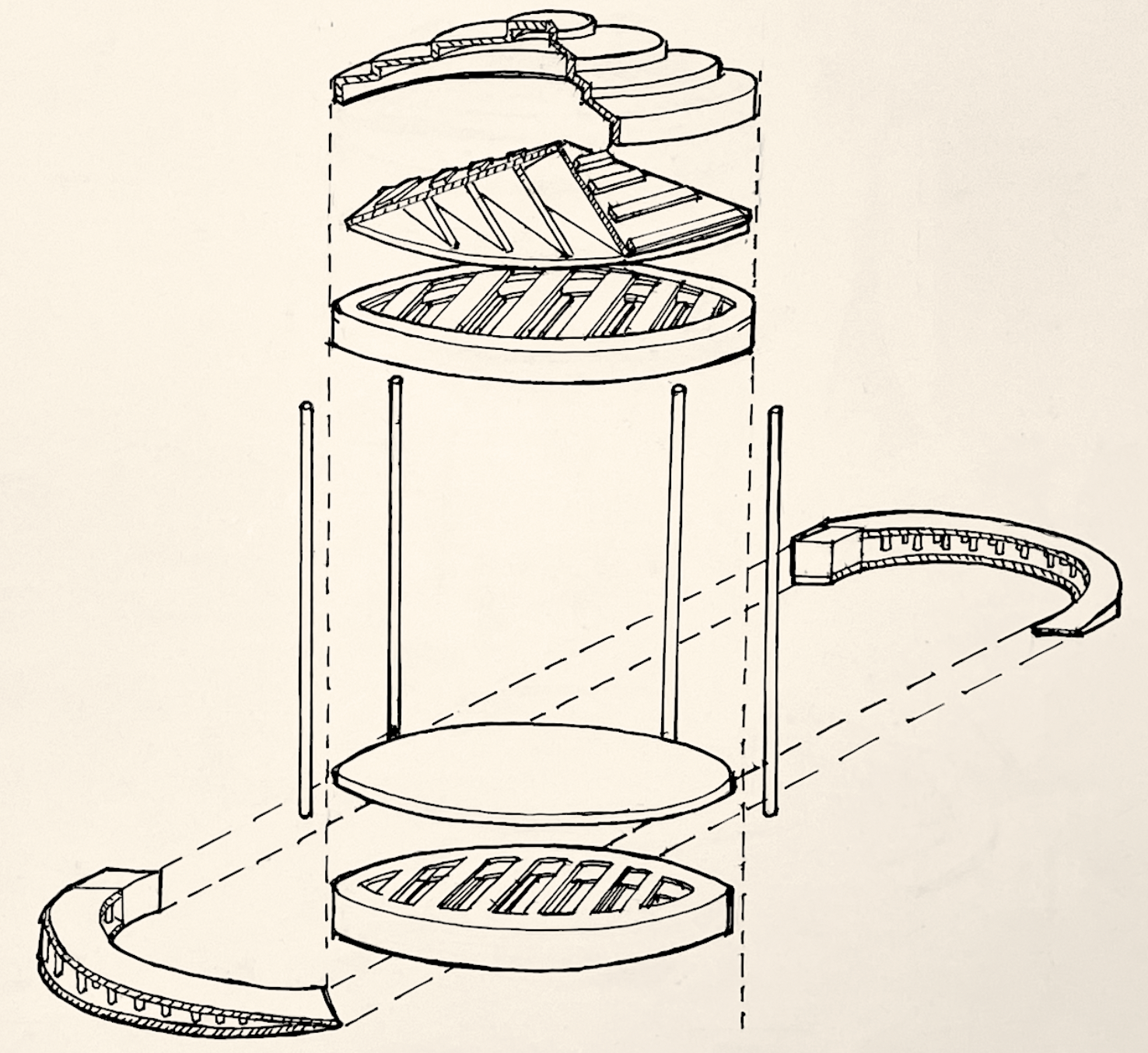
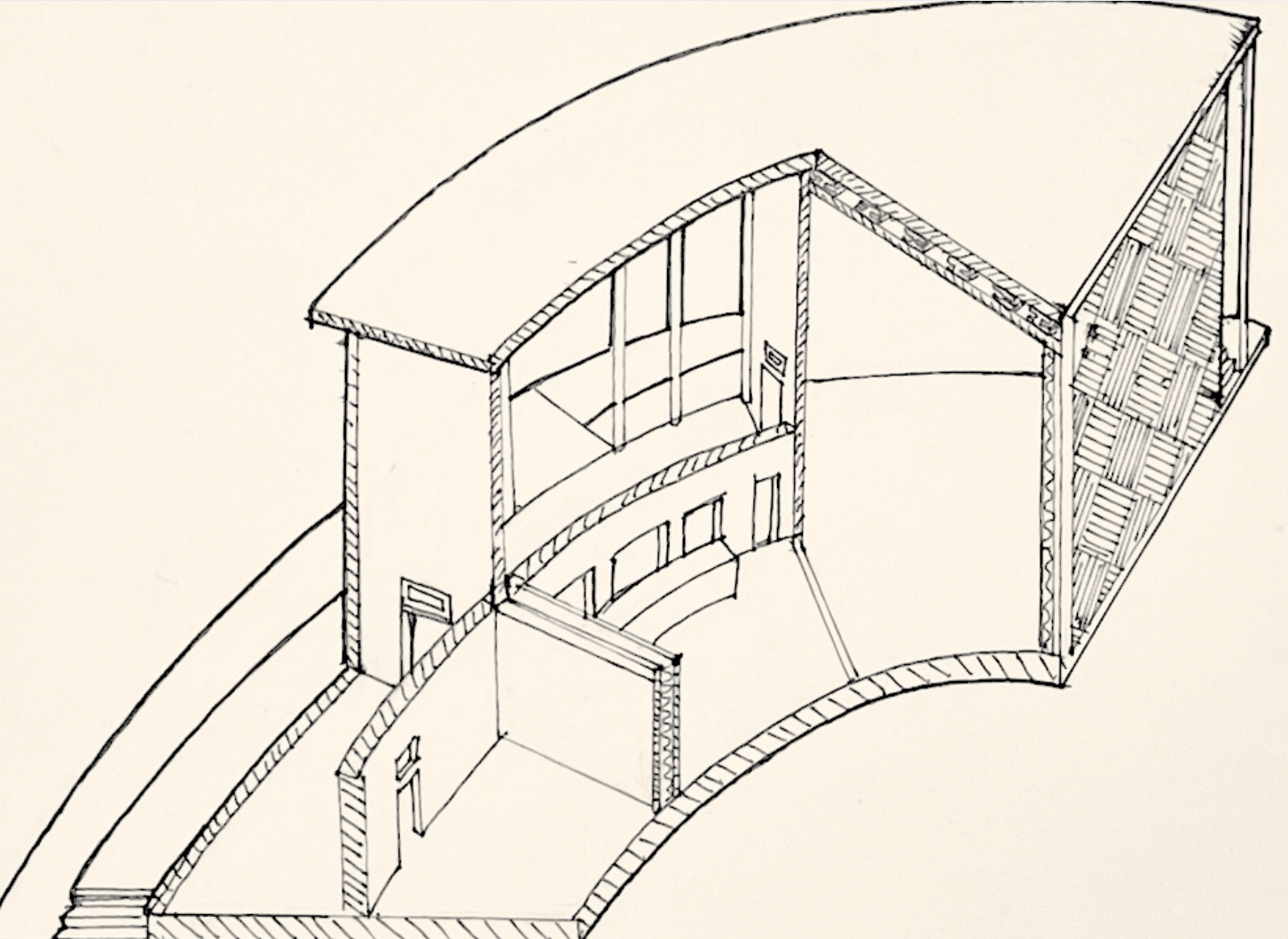
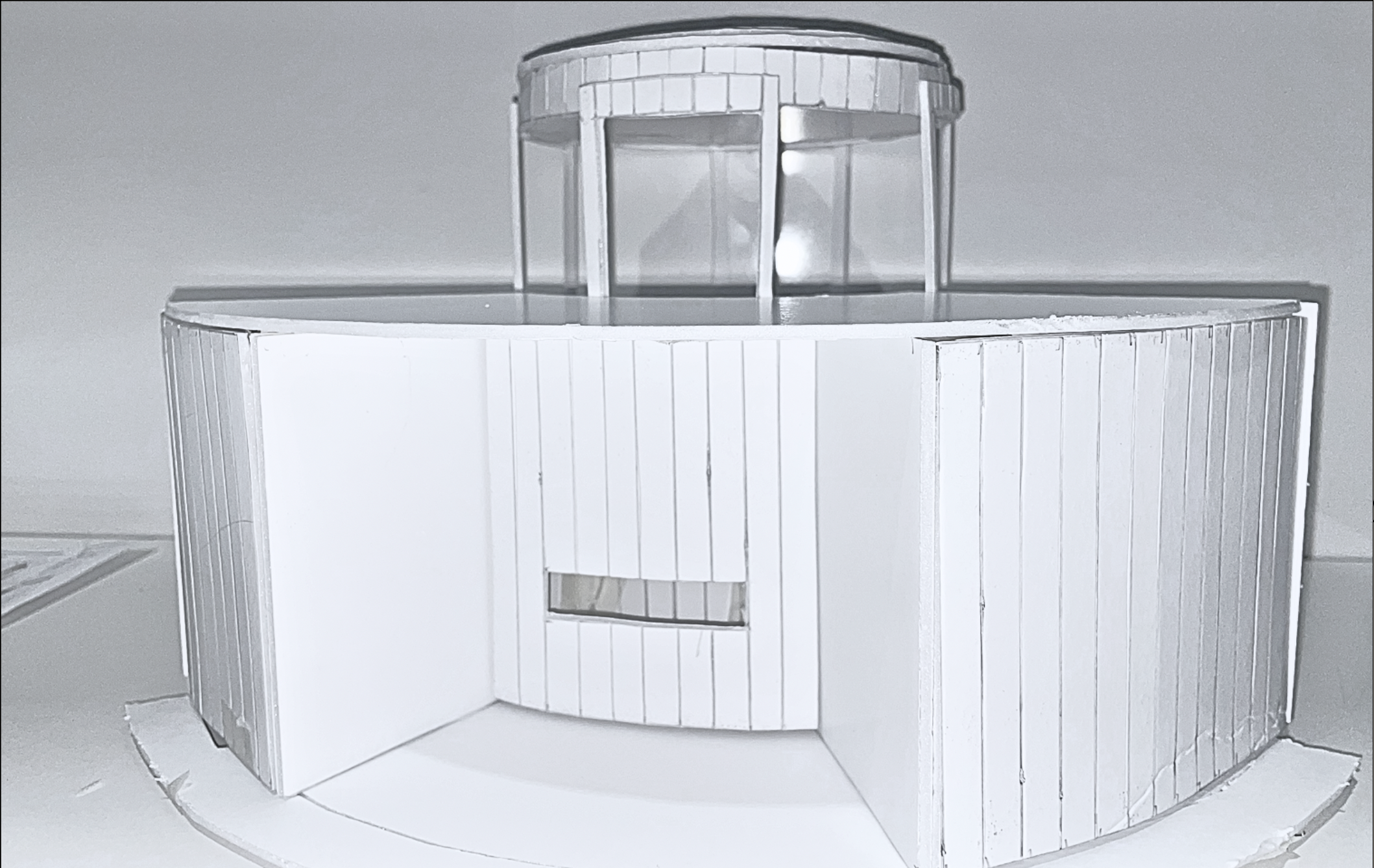
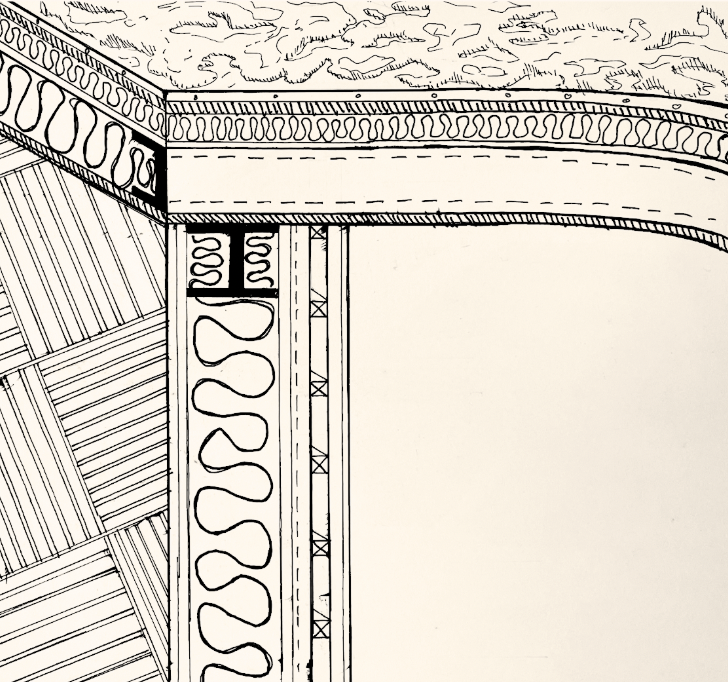
My first individual university project consisted of designing an outdoor performance space. Although the parameters gave us space to design freely, it was a lengthy process getting to an efficient yet artistic design that allowed for great performances and ease of deconstruction to save materials and maintain sustainability. I was able to achieve this by inverting the classic arena structure, helping solidify a strong design.